



BY  GENN
GENN
2026/03
Blog
Why is SiC better than Si?
Why SiC is Better than Si: Key Advantages of Silicon Carbide
SiC vs Si – Understanding the Difference
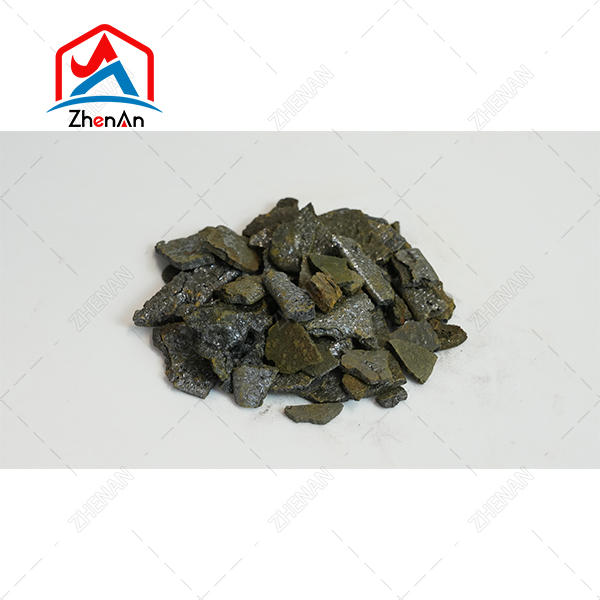
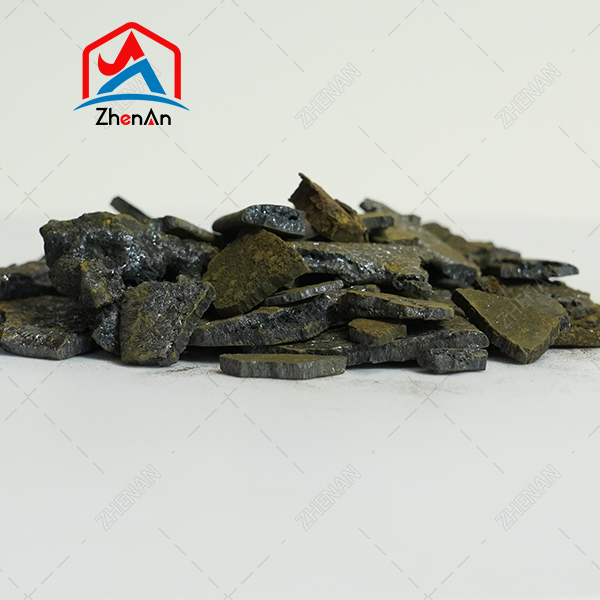
Silicon carbide (SiC) and silicon (Si) are both widely used in industrial applications, but SiC offers superior properties that make it a preferred choice for high-performance manufacturing. Whether you are looking for industrial silicon carbide, silicon carbide for steelmaking, or silicon carbide for refractory applications, understanding the advantages of SiC is crucial for informed purchasing decisions.
SiC Properties – Why It Outperforms Silicon
- Higher Hardness and Wear Resistance
SiC is significantly harder than pure silicon, making it ideal for abrasives and high-wear applications. Its Mohs hardness is around 9–9.5, compared to silicon’s 7, allowing longer service life in cutting, grinding, and polishing operations. - Superior Thermal Stability
With a melting point above 2700°C, high-purity silicon carbide withstands extreme temperatures without deformation, unlike silicon, which melts around 1414°C. This makes SiC perfect for refractory applications and furnaces. - Excellent Thermal Conductivity & Low Expansion
SiC efficiently conducts heat while maintaining dimensional stability under thermal stress. This property is crucial for steelmaking and high-temperature industrial processes, ensuring energy efficiency and reduced equipment wear. - Chemical Inertness
Unlike silicon, SiC resists oxidation and chemical corrosion, even at elevated temperatures, making it suitable for harsh industrial environments.
Industrial Applications – Choosing SiC for Performance
Silicon carbide applications extend across multiple industries:
- Steelmaking: SiC serves as a deoxidizer and alloying agent, improving steel quality and energy efficiency.
- Refractories: Used in furnace linings, SiC increases longevity and heat resistance.
- Abrasives: Ideal for grinding, polishing, and cutting tools due to its extreme hardness.
- High-tech ceramics and electronics: SiC components enable high-voltage, high-frequency devices.
By choosing industrial silicon carbide, buyers gain reliability and performance that pure silicon cannot match.
Specifications & Customization – Tailored for Your Needs
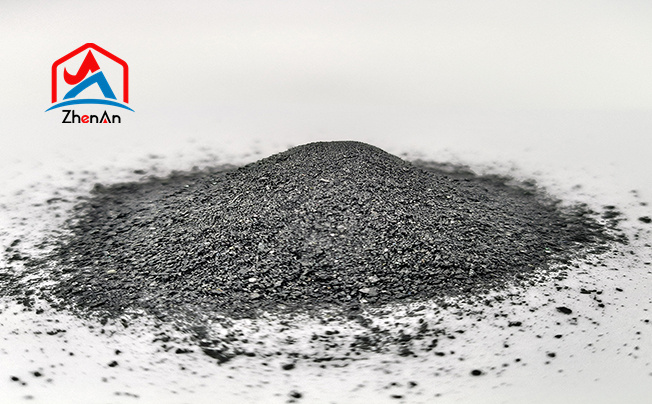
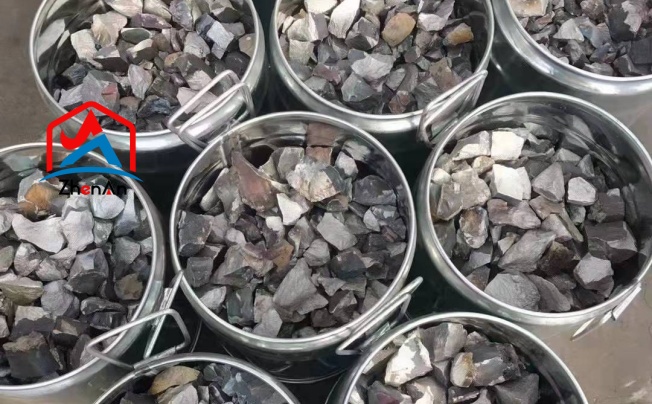
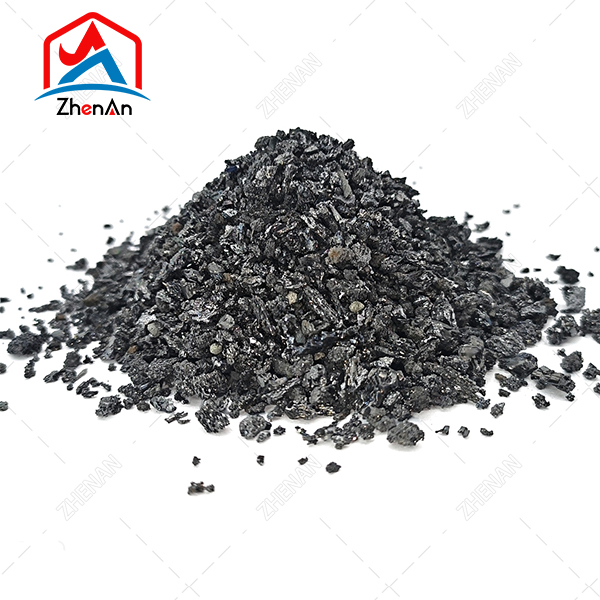
We provide SiC in various purities, sizes, and forms, including powder, granules, and lumps. Custom grades are available to match your furnace, machinery, or production requirements. Typical specifications include:
- Purity: 88%, 90%, and above
- Particle size: 0.1 mm – 5 mm (customizable)
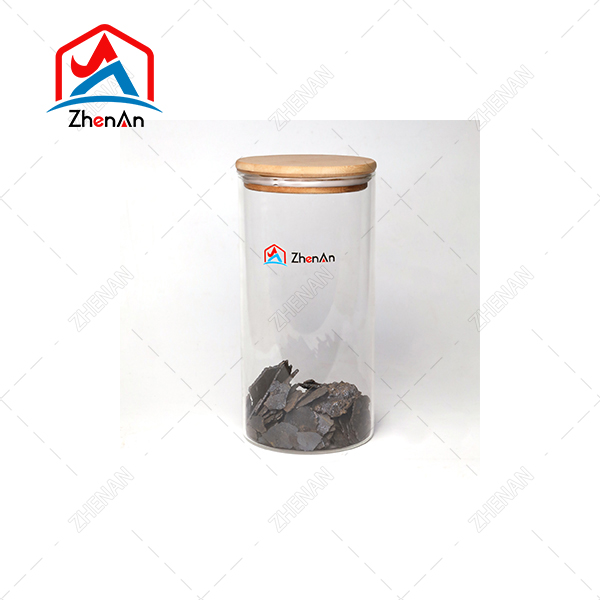
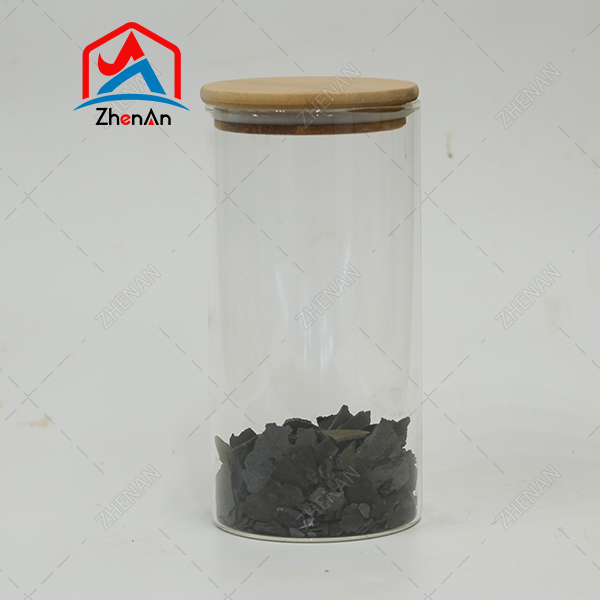
- Forms: Powder, granules, lumps
Our team ensures high-quality, consistent SiC suited for your industrial process, giving you confidence in your supply chain.
Why Choose Us – Trusted SiC Supplier & Manufacturer
As an industrial silicon carbide supplier, we combine 30+ years of experience with customized solutions and strict quality control. Our clients rely on us for:
- Stable supply of high-purity SiC
- Tailored particle sizes and grades
- Prompt response to technical inquiries
FAQs – Silicon Carbide vs Silicon
Q1: What are the main differences between SiC and Si?
A: SiC is harder, more heat-resistant, chemically inert, and better suited for industrial applications than pure silicon.
Q2: Can SiC be customized for steelmaking furnaces?
A: Yes, we offer custom grades, sizes, and purities to match your specific production requirements.
Q3: What forms of SiC are available?
A: Powder, granules, and lumps.
Q4: Is high-purity silicon carbide better for refractories?
A: Absolutely. High-purity SiC ensures longer lifespan and better thermal stability in furnace linings.
Q5: How do I place an order or request a quote?
A: Contact us directly via market@zaferroalloy.com or WhatsApp: +8615518824805.
Get Your SiC Quote Today
Enhance your production efficiency and durability with high-performance silicon carbide. Contact us now for specifications, pricing, and tailored solutions.