



BY  GENN
GENN
2026/06
Blog
What Is the Chemical Composition of V₂O₅ Flake?
What Is the Chemical Composition of V₂O₅ Flake?
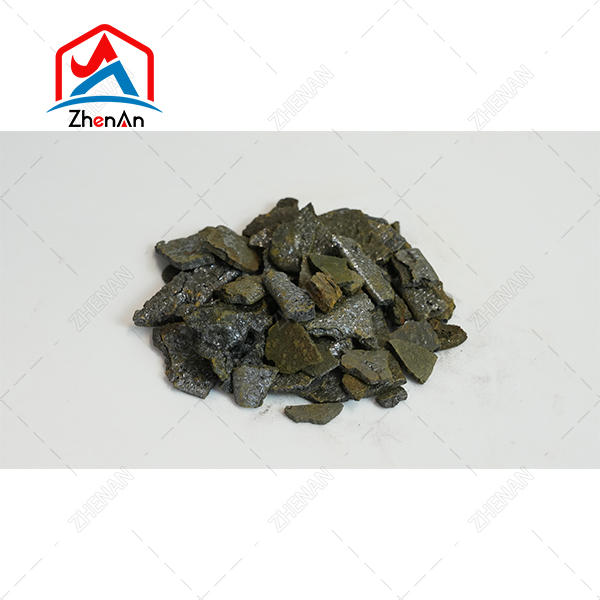
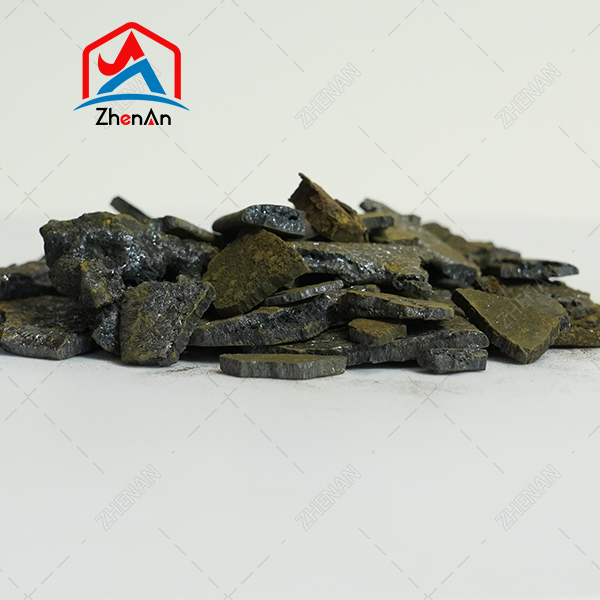
Vanadium Pentoxide (V₂O₅) flake is primarily composed of vanadium pentoxide (V₂O₅) with typical purity ranging from 98% to 99.5%, while the remaining fraction consists of controlled trace metallic and non-metallic impurities such as Fe, Si, Al, and S depending on industrial grade and application requirements.
📩 Inquiry Email: market@zanewmetal.com
📱 WhatsApp: +86 15518824805
Chemical Composition Analysis of Vanadium Pentoxide Flake (V₂O₅)
What is the typical chemical composition of vanadium pentoxide (V₂O₅) flake?
Industrial vanadium pentoxide flake (V₂O₅ flake) is not a multi-element compound system; instead, it is a high-purity single oxide material with controlled impurities.
Typical composition includes:
- Main component: Vanadium Pentoxide (V₂O₅)
- Trace metallic impurities (Fe, Al, Si, Mg, Na)
- Trace non-metallic residues (S, P, C in very low ppm levels)
The composition is tightly controlled to ensure performance stability in:
- catalyst systems
- ferrovanadium production
- energy storage materials
- chemical synthesis processes
What is the standard V₂O₅ purity range for industrial-grade vanadium pentoxide flakes?
The purity level defines the chemical composition balance of V₂O₅ flake:
| Grade | V₂O₅ Content | Composition Characteristics | Application |
|---|---|---|---|
| Metallurgical Grade | ~98% | Higher impurity tolerance | Alloy & steelmaking |
| Industrial Grade | ~99% | Controlled impurity profile | Chemical processing |
| High Purity Grade | 99.5%+ | Ultra-low impurities | Catalysts & batteries |
Higher purity means lower impurity fraction in total chemical composition, improving reaction stability and consistency.
Which impurities are commonly present in V₂O₅ flake products?
Even high-quality V₂O₅ flakes (vanadium oxide raw material) contain trace impurities such as:
- Iron (Fe)
- Silicon (Si)
- Aluminum (Al)
- Sodium (Na)
- Sulfur (S)
- Phosphorus (P)
These originate from:
- vanadium ore source material
- refining and roasting process
- crystallization and flake formation stages
Strict control of these impurities is critical for high purity V2O5 flake manufacturer standards.
How do phosphorus, sulfur, and silicon impurities affect V₂O₅ performance?
Certain impurities can significantly influence chemical and electrochemical behavior:
- Phosphorus (P): may reduce catalyst selectivity
- Sulfur (S): can interfere with redox stability
- Silicon (Si): may reduce chemical reactivity in catalysts
In high-end applications such as:
- vanadium source material for batteries
- catalyst-grade V₂O₅
- precision chemical synthesis
low impurity levels are essential for stable performance.
Technical Composition Table of V₂O₅ Flake
| Component | Typical Range | Function / Impact |
|---|---|---|
| V₂O₅ | 98% – 99.5% | Main active chemical phase |
| Fe | ≤0.05% | Metallic impurity control required |
| Si | ≤0.03% | Affects catalytic stability |
| Al | ≤0.02% | Influences melting behavior |
| Na | ≤0.01% | Affects electrochemical performance |
| S / P | trace | Must be tightly controlled |
This composition structure ensures suitability for:
- vanadium pentoxide flakes supplier systems
- metallurgical vanadium oxide applications
- high purity V2O5 flake manufacturer requirements
Why is high-purity V₂O₅ important for catalyst and chemical applications?
High-purity composition is essential because it:
- improves catalytic oxidation efficiency
- ensures stable redox cycling behavior
- reduces unwanted side reactions
- increases industrial process reliability
This is especially critical in:
- sulfuric acid catalyst systems
- petrochemical oxidation processes
- fine chemical manufacturing
How is the chemical composition of V₂O₅ flake tested and verified?
Chemical composition is verified through:
- X-ray fluorescence (XRF) analysis
- ICP-OES / ICP-MS testing
- chemical titration methods
- particle and phase analysis
These methods ensure accurate control of:
- vanadium oxide content
- trace impurity levels
- batch-to-batch consistency
V₂O₅ Flake Composition Comparison – Standard vs High Purity
| Property | 98% Industrial Grade | 99.5% High Purity Grade |
|---|---|---|
| V₂O₅ Content | Lower | Higher |
| Impurity Level | Moderate | Very low |
| Catalytic Efficiency | Standard | High |
| Battery Suitability | Limited | Suitable |
| Cost | Lower | Higher |
Conclusion: higher purity directly means cleaner chemical composition and better functional performance.
Product Forms, Packaging & Logistics
Product Forms:
- Vanadium Pentoxide Flake (V₂O₅)
- Powdered V₂O₅ (special grade)
- Customized particle composition materials
Packaging:
- 25kg sealed export bags
- Fiber drums for high purity grades
- Jumbo bags for bulk industrial supply
Logistics:
- FOB / CIF / CFR shipment terms
- Ocean freight global delivery
- COA, MSDS, and chemical composition reports provided
Summary
The chemical composition of V₂O₅ flake is dominated by vanadium pentoxide (98%–99.5%), with carefully controlled trace impurities such as Fe, Si, Al, S, and P. These minor elements strongly influence performance in catalysts, metallurgy, and energy storage applications.
Therefore, selecting the correct purity grade is essential for achieving stable industrial performance in vanadium oxide raw material supply chains.
FAQ – Chemical Composition of V₂O₅ Flake
What is the typical chemical composition of vanadium pentoxide (V₂O₅) flake?
It mainly consists of 98–99.5% V₂O₅ with trace metallic impurities.
What is the standard purity range for V₂O₅ flake?
Industrial grades range from 98% to 99.5%+ depending on application.
Which impurities are commonly present in V₂O₅ flake?
Fe, Si, Al, Na, S, and P in trace amounts.
How do phosphorus, sulfur, and silicon affect performance?
They can reduce catalytic efficiency and electrochemical stability.
Why is high-purity V₂O₅ important?
It ensures stable chemical reactions and better industrial performance.
How is chemical composition tested?
Through XRF, ICP analysis, and chemical titration methods.
What standards are used for evaluation?
Industrial chemical purity and metallurgical specification standards.
How does composition affect application suitability?
Higher purity improves performance in catalysts, alloys, and energy systems.
📩 Inquiry Email: market@zanewmetal.com
📱 WhatsApp: +86 15518824805