



BY  GENN
GENN
2026/04
Blog
What Is the Difference Between Ferro Silicon Nitride and Silicon Nitride?
What Is the Difference Between Ferro Silicon Nitride and Silicon Nitride?
Direct answer: key difference for industrial buyers
The fundamental difference between Ferro Silicon Nitride (FeSiN) and Silicon Nitride (Si₃N₄) is their composition, production form, and industrial application.
- Ferro Silicon Nitride (FeSiN) is a metallurgical ferroalloy additive used in steelmaking. It contains iron, silicon, and nitrogen and is designed to be added directly into molten steel to improve strength, nitrogen content, and refractory performance.
- Silicon Nitride (Si₃N₄) is a ceramic engineering material used in high-temperature mechanical and structural applications such as bearings, cutting tools, and advanced ceramics. It is not used as a direct steelmaking additive.
In short:
- FeSiN = steelmaking alloy additive
- Si₃N₄ = industrial ceramic material
Technical comparison of Ferro Silicon Nitride vs Silicon Nitride
| Item | Ferro Silicon Nitride (FeSiN) | Silicon Nitride (Si₃N₄) |
|---|---|---|
| Material Type | Ferroalloy additive | Advanced ceramic |
| Main Composition | Fe + Si + N | Si + N (ceramic compound) |
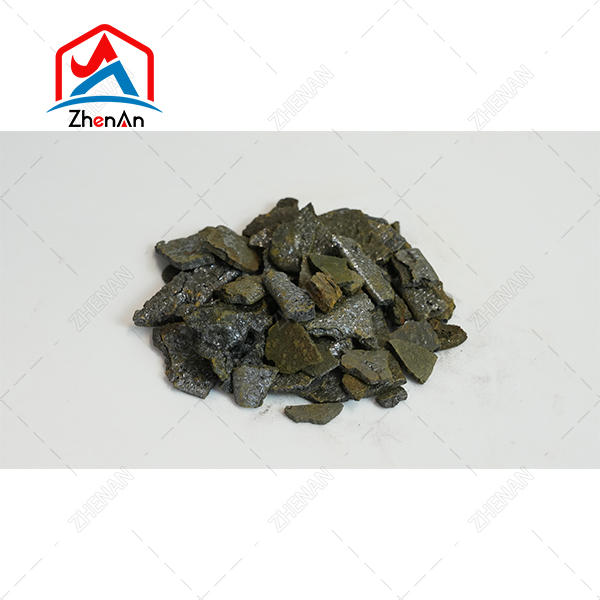
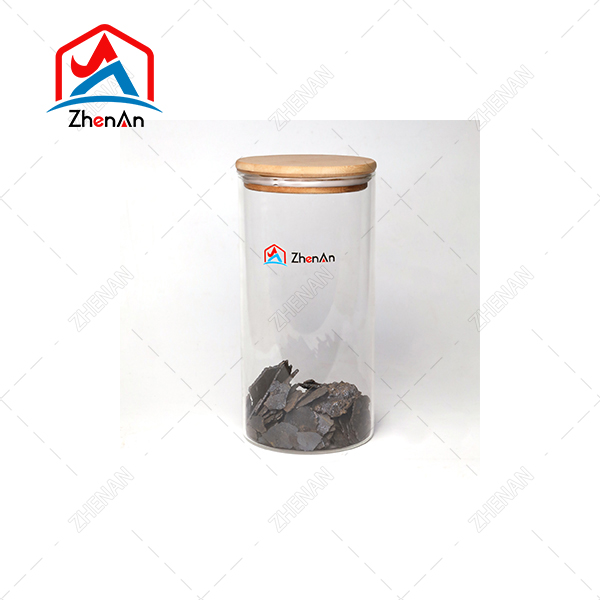
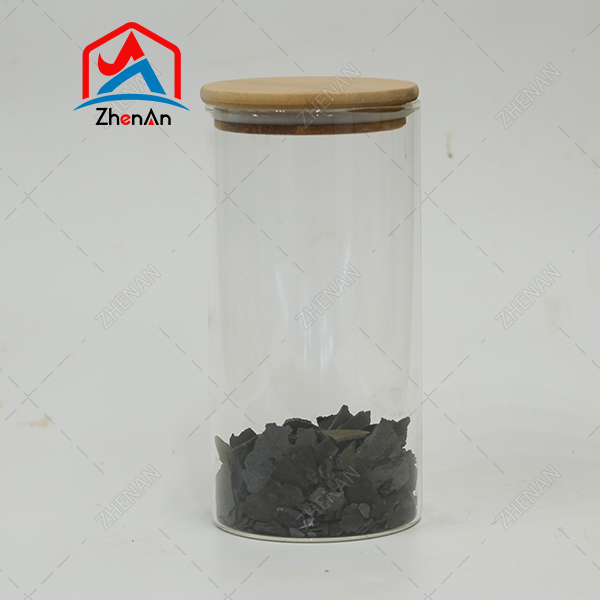
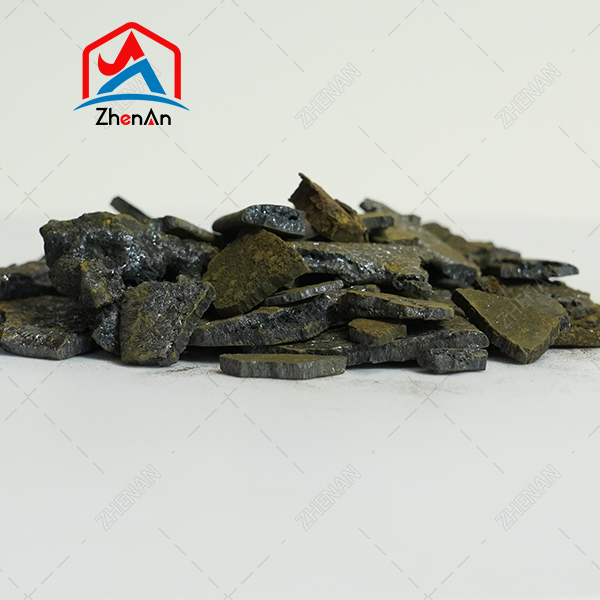
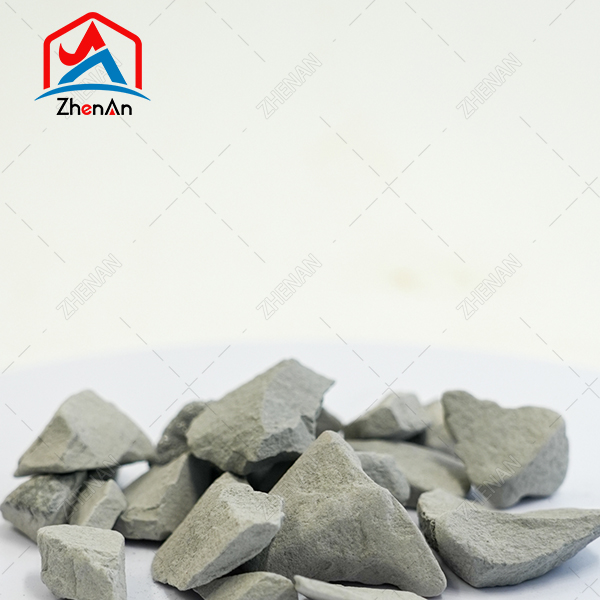
| Form | Lump / granular | Powder / ceramic sintered body |
| Nitrogen Content | 20–30% (typical FeSiN industrial grade) | Fixed stoichiometric structure |
| Melting Behavior | Dissolves in molten steel | Does not dissolve in steel |
| Application | Steelmaking, ladle metallurgy, alloy steel | Bearings, cutting tools, ceramics |
| Function | Nitrogen alloying + refractory improvement | Mechanical strength + wear resistance |
| Industry Use | Metallurgy / steel industry | Mechanical engineering / ceramics industry |
How Ferro Silicon Nitride works in steelmaking vs Silicon Nitride in engineering
In steelmaking, Ferro Silicon Nitride (FeSiN steel additive material) is added directly into molten steel. During melting, it releases nitrogen and silicon, which enhance steel strength, hardness, and anti-crack performance. It is widely used in ladle metallurgy, EAF steelmaking, and alloy steel production systems.
FeSiN also improves refractory performance by increasing resistance to thermal shock, making it valuable in high-temperature steel refining environments.
In contrast, Silicon Nitride (Si₃N₄ ceramic material) is not used in steel production. It is a high-performance engineering ceramic known for extreme hardness, thermal stability, and wear resistance. It is used in mechanical parts such as bearings, turbine components, and cutting tools, where structural strength and low friction are required.
Industrial comparison: FeSiN vs Si₃N₄ application logic
Ferro Silicon Nitride vs Silicon Nitride (steelmaking vs ceramic function)
Ferro Silicon Nitride (FeSiN alloy additive) is designed for metallurgical use. It dissolves in molten steel and actively participates in chemical reactions to improve steel microstructure and nitrogen content control.
Silicon Nitride (Si₃N₄ ceramic) is chemically stable and does not react in steel. Instead, it is used in mechanical and thermal engineering environments where resistance to heat, wear, and corrosion is required.
➡ FeSiN = reactive metallurgical additive
➡ Si₃N₄ = inert structural ceramic material
FeSiN vs Si₃N₄ in industrial performance
In steel production, FeSiN improves tensile strength, fatigue resistance, and casting stability, making it suitable for high-strength steels.
Silicon Nitride, however, provides mechanical hardness and thermal stability in finished components, not in molten metal processing.
➡ FeSiN = improves steel from inside during production
➡ Si₃N₄ = performs as a final engineering material
Why understanding this difference matters for buyers
For steel producers, choosing Ferro Silicon Nitride (FeSiN steelmaking additive) is essential for improving product quality and reducing defects in alloy steel.
Using Silicon Nitride in steelmaking is not applicable because it does not dissolve or react in molten metal. Therefore, selecting the correct material ensures production efficiency, cost control, and metallurgical stability.
Summary
The difference between Ferro Silicon Nitride and Silicon Nitride is clear:
- FeSiN (Ferro Silicon Nitride) → metallurgical alloy additive used in steelmaking to improve strength and nitrogen content
- Si₃N₄ (Silicon Nitride) → engineering ceramic used in mechanical components and high-performance industrial applications
They serve completely different industries and cannot replace each other.
FAQ – Ferro Silicon Nitride vs Silicon Nitride
1. Can Silicon Nitride be used in steelmaking?
No, Si₃N₄ ceramic material does not dissolve in molten steel and is not used in metallurgy.
2. What is Ferro Silicon Nitride used for?
It is used as a steelmaking additive to improve strength, nitrogen content, and refractory performance.
3. Is FeSiN a ceramic or alloy?
FeSiN is a ferroalloy metallurgical additive, not a ceramic material.
4. Why is nitrogen important in FeSiN?
Nitrogen improves steel hardness, strength, and fatigue resistance.
5. What industries use Silicon Nitride?
It is used in mechanical engineering, ceramics, bearings, cutting tools, and high-temperature components.
6. What is the physical form of FeSiN?
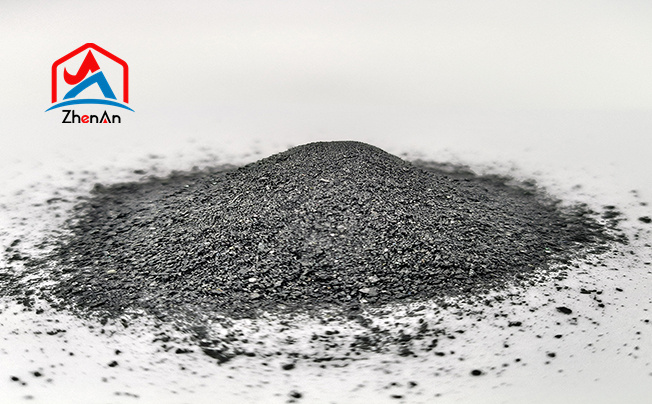
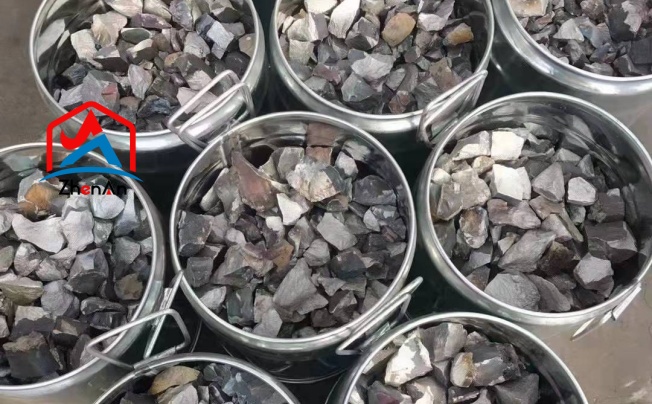
FeSiN is typically supplied as 10–50mm lumps or granular material for steelmaking use.
Stable FeSiN supply for global steel industry
We supply high-quality Ferro Silicon Nitride (FeSiN) with stable nitrogen content and consistent chemical composition. Our material is widely used in global steel plants, ladle metallurgy systems, and alloy steel production, ensuring reliable performance in industrial applications.
We support bulk orders, customized specifications, and fast international logistics for long-term procurement.
📩 Contact for quotation & bulk supply
- 📧 Email: market@zaferroalloy.com
- 📱 WhatsApp: +86 15518824805
✔ Stable FeSiN supply
✔ Controlled nitrogen content
✔ Factory-direct pricing
✔ Fast global response within 24 hours