



BY  GENN
GENN
2026/04
Blog
How is silicon carbide packaged for export?
How Is Silicon Carbide Packaged for Export?
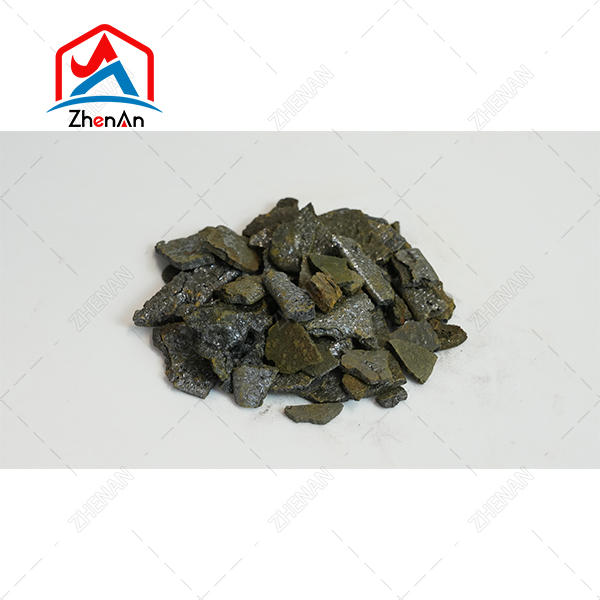
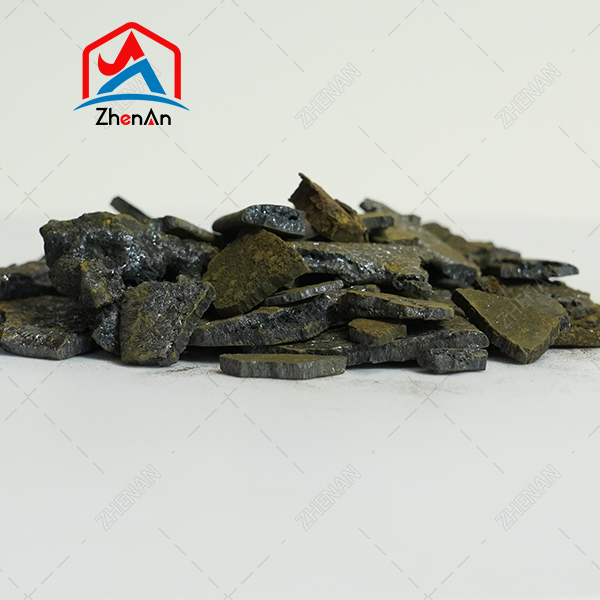
Silicon carbide (SiC), especially black silicon carbide grades below 85% (70%, 75%, 80%, 85%), is typically packaged for export using moisture-proof, high-strength industrial packaging systems designed to prevent contamination, moisture absorption, and particle loss during long-distance sea freight. The most common export packaging formats include 25kg bags, 1-ton jumbo bags (FIBC), and palletized shrink-wrapped units, depending on customer requirements and application (steelmaking, foundry, abrasives, or refractory use).
Silicon Carbide Export Packaging Specification
| Packaging Type | Net Weight | Material Structure | Moisture Protection | Loading Method | Application |
|---|---|---|---|---|---|
| Small Bags | 25 kg/bag | PP woven + inner PE liner | High | Palletized / loose | Retail / small orders |
| Jumbo Bags | 1000 kg/bag | FIBC + PE liner | Very high | Container bulk loading | Steelmaking / foundry |
| Pallet Bags | 25 kg × 40 bags | Woven bags + stretch film | High | Pallet + forklift | Stable export shipment |
| Custom Packaging | 500–1200 kg | OEM structure | Adjustable | Container bulk | Large industrial contracts |
Key Packaging Methods for Export Silicon Carbide
1. Moisture-Proof Industrial Packaging System
Silicon carbide is a granular metallurgical material that must be protected from moisture, dust contamination, and oxidation during storage and shipping. Therefore, exporters use inner PE liners combined with high-strength polypropylene woven bags. For bulk shipments, jumbo FIBC bags with sealed inner liners are preferred to ensure chemical stability during long ocean transit.
2. Container Loading Optimization (20ft / 40ft)
For international export, SiC is usually loaded into 20ft or 40ft containers, depending on order volume. Jumbo bags (1 ton each) are stacked efficiently to maximize container utilization. Proper palletization or direct bulk stacking is used to prevent bag deformation and minimize material loss during transportation.
3. Anti-Leakage & Dust Control Design
Because silicon carbide has fine particles (especially 0–1mm or powder grades), packaging must include tight sealing, double stitching, and reinforced bottom structures. This ensures no leakage during handling and reduces dust emissions during unloading at steel plants or foundries.
4. Labeling and Export Documentation
Each package includes:
- Grade identification (SiC 70, 75, 80, 85)
- Net weight and batch number
- Origin and production date
- Handling instructions (“Keep Dry”, “Avoid Moisture”)
This ensures traceability and compliance with international industrial procurement standards.
5. Customized Packaging for Industrial Buyers
Large steel mills and distributors often require custom branding, private labeling, or specific bag sizes (e.g., 500kg or 1000kg FIBC). This helps improve logistics efficiency and aligns with internal material handling systems in industrial plants.
Grade Comparison (Packaging Consideration Perspective)
SiC 85 vs SiC 80
SiC 85 is often packed in higher-seal jumbo bags or double-layer liners due to its use in high-grade steelmaking where contamination control is critical. SiC 80 allows slightly more flexible packaging formats due to broader industrial usage.
SiC 85 vs SiC 75
SiC 85 requires stricter moisture protection and batch traceability. SiC 75, used widely in foundry applications, is often shipped in standard 25kg bags or bulk FIBC bags with less strict handling requirements.
SiC 80 vs SiC 70
SiC 80 is typically packaged for stable industrial supply chains, while SiC 70 is often shipped in cost-optimized bulk packaging formats, focusing on large-volume transportation efficiency rather than premium protection.
Summary
Silicon carbide export packaging is designed around moisture protection, dust control, bulk efficiency, and international logistics safety. The most common formats are 25kg woven bags and 1-ton jumbo bags with inner liners, optimized for steelmaking, foundry, and refractory industries. Proper packaging ensures material stability, reduces loss, and improves handling efficiency in global supply chains.
FAQ – Silicon Carbide Export Packaging
1. What is the most common packaging for silicon carbide export?
The most common packaging is 25kg PP woven bags with inner PE liners and 1-ton jumbo FIBC bags for bulk shipment.
2. Why is inner liner used in SiC packaging?
The inner PE liner prevents moisture absorption and contamination, which is critical for metallurgical performance.
3. How many tons can fit in a 20ft container?
A 20ft container typically holds around 20–25 tons of silicon carbide, depending on packaging type.
4. Is palletized packaging better for export?
Yes, palletized packaging improves handling efficiency and reduces bag damage during shipping.
5. Can silicon carbide be shipped in bulk without bags?
In rare cases, it can be shipped in bulk, but it is not recommended due to dust loss and contamination risk.
6. What packaging is best for steelmaking customers?
Steelmaking customers usually prefer 1-ton jumbo bags (FIBC) with inner liners for efficient furnace charging.
Call to Action – Export Packaging Silicon Carbide Supplier
We supply black silicon carbide (70%, 75%, 80%, 85%) with professional export packaging solutions designed for steel mills, foundries, and industrial distributors worldwide.
📧 Email: market@zaferroalloy.com
📱 WhatsApp: +86 15518824805
✔ Strong export packaging for long-distance shipping
✔ Moisture-proof and dust-controlled packaging systems
✔ Custom OEM packaging available for bulk buyers