



BY  GENN
GENN
2026/03
Blog
Can silicon carbide reduce steelmaking costs?
Can Silicon Carbide Reduce Steelmaking Costs? — A Technical Analysis
-
Direct Alloy Savings: Replaces expensive Ferrosilicon (FeSi) and Recarburizers with a single, lower-cost material.
-
Lower Energy Bills: Exothermic reaction ($SiC + 2O \rightarrow SiO_2 + C$) generates internal heat, reducing furnace electricity (kWh) per ton.
-
Higher Yield Rates: Superior deoxidation leads to fewer inclusions and lower scrap rates in the final billet or slab.
-
Reduced Slag Volume: Decreases the need for slag conditioners and lowers waste disposal expenses.
-
Faster Tap-to-Tap Time: Rapid dissolution accelerates the smelting cycle, increasing daily furnace productivity.
The Economic Logic: How SiC Cuts Costs
In the modern steel industry, the “cost per ton” is the ultimate metric of success. Traditional alloying methods rely on Ferrosilicon and high-purity carbon raisers, both of which are subject to extreme market price volatility.
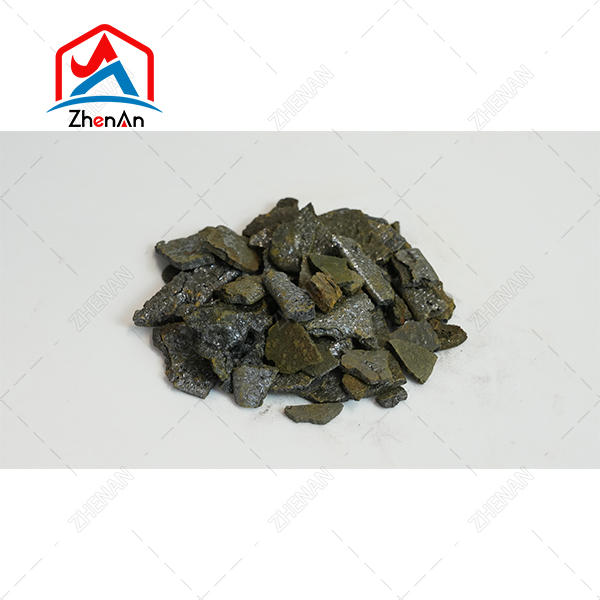
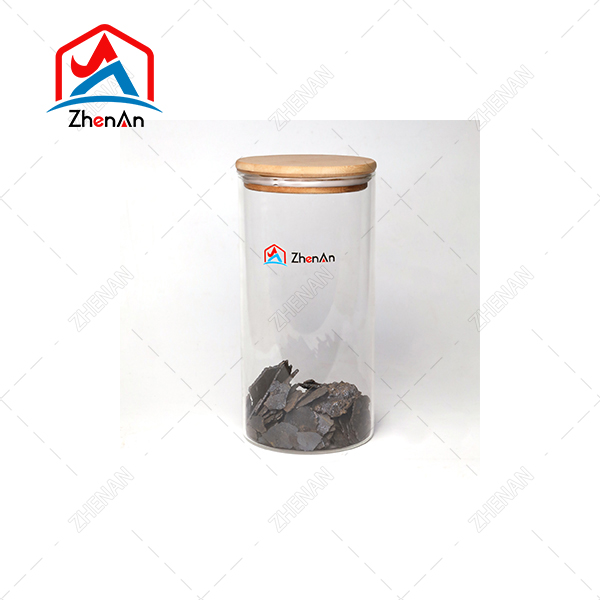
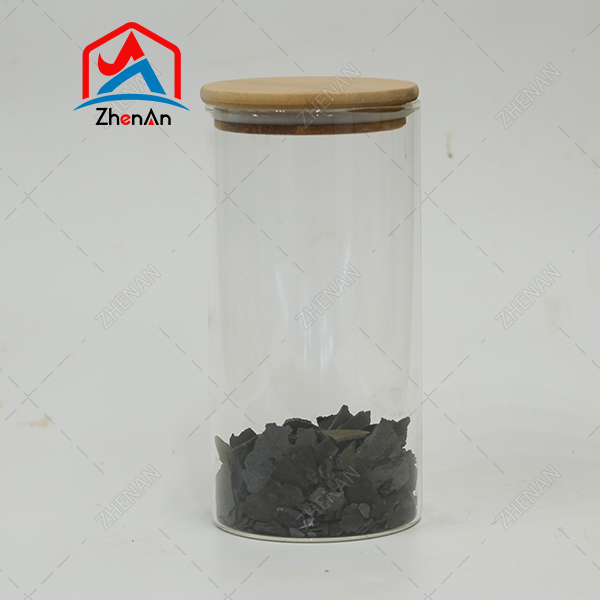
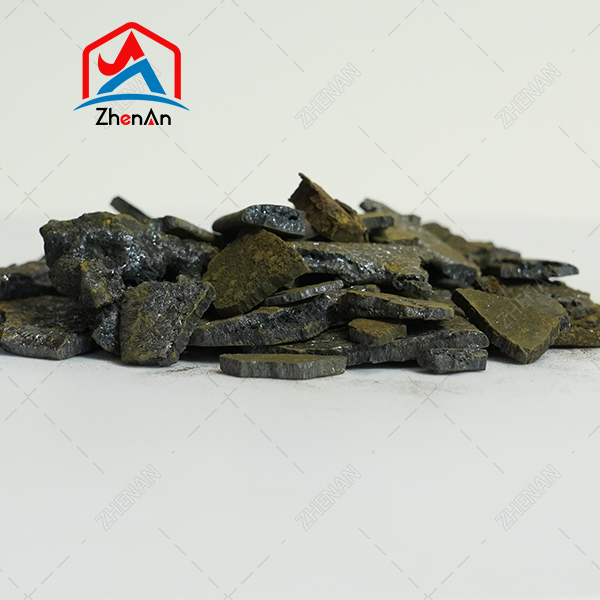
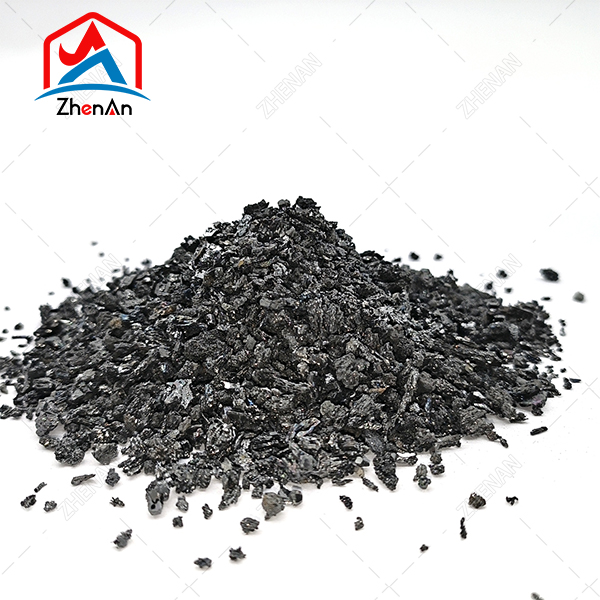
ZhenAn’s Silicon Carbide (SiC) provides a dual-source of Silicon and Carbon in one stable crystalline structure. By switching to SiC, mills can reduce their dependency on expensive ferroalloys while simultaneously improving the cleanliness of the steel. The mathematical shift from “Two Additives” to “One Multifunctional Reagent” is the most direct path to reducing secondary metallurgy costs.
Technical Specifications for Cost-Optimized SiC
To achieve maximum cost reduction, selecting the correct grade is essential. ZhenAn provides metallurgical SiC specifically balanced for EAF and BOF operations.
| Component | Grade 88 (Economy) | Grade 90 (Standard) | Grade 95 (Premium) |
| SiC Content | ≥ 88.0% | ≥ 90.0% | ≥ 95.0% |
| Free Carbon | ≤ 4.5% | ≤ 3.0% | ≤ 1.5% |
| Fe2O3 | ≤ 2.0% | ≤ 1.5% | ≤ 1.0% |
| Energy Impact | High Exothermic | High Exothermic | Moderate |
Metallurgical Performance: Deoxidation & Carbon Recovery
The cost-saving potential of SiC lies in its chemical reactivity. When added to the melt, SiC decomposes. The silicon reacts with dissolved oxygen much more aggressively than aluminum or ferrosilicon.
-
Cleanliness: The resulting $SiO_2$ floats easily to the slag, reducing non-metallic inclusions.
-
Carbon Efficiency: The carbon released from the SiC is highly “active,” ensuring stable carbon recovery rates of 85-90%, which is often higher than traditional coke-based recarburizers.
Energy Efficiency: The Exothermic Advantage
One of the most overlooked cost-saving factors of Silicon Carbide is its exothermic nature. Unlike ferrosilicon, which requires energy to melt into the pool, the oxidation of SiC actually contributes heat to the furnace.
-
Electricity Savings: Induction furnace operators often report a reduction of 15-25 kWh per ton of steel.
-
Ladle Temperature: Helps maintain ladle temperature during long casting sequences, reducing the need for reheating stations.
Comparative Cost Analysis: SiC vs. Traditional Alloys
| Criteria | Ferrosilicon + Coke | ZhenAn Silicon Carbide |
| Total Material Cost | 100% (Baseline) | 75% – 85% |
| Slag Mass | High | Low |
| Alloy Yield | 75-80% | 90% + |
| Process Complexity | High (2+ Additives) | Low (1 Additive) |
Implementation: Grain Sizes and Dosing
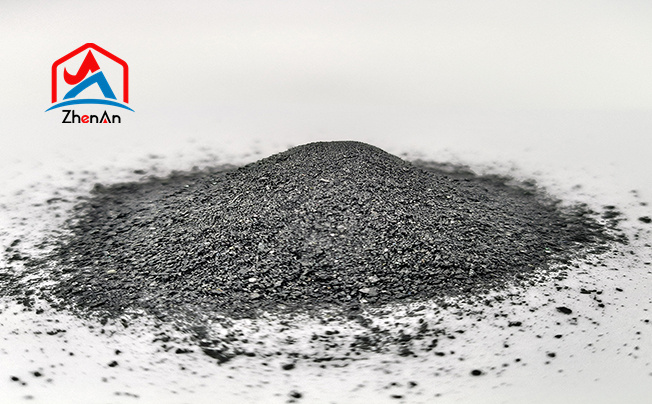
Physical form dictates the speed of the reaction. We offer:
-
0-10mm Grains: Best for rapid dissolution in the ladle.
-
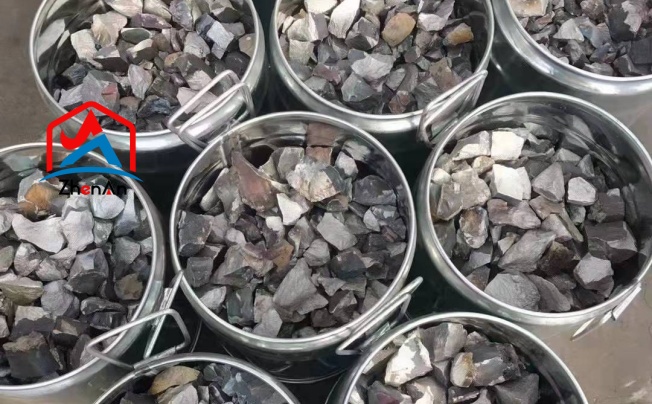
10-50mm Lumps: Ideal for early-stage charging in the furnace shell.
-
SiC Briquettes: Consistent 50g-100g balls for precise, automated dosing.
ZhenAn International: Your Partner in Cost Reduction
ZhenAn International is a global leader in metallurgical supply chain optimization.
-
Reliable Supply: 150,000-ton annual output ensures your production never stops.
-
Quality Assurance: Every shipment is backed by a Certificate of Analysis (COA) and third-party inspection (SGS/BV).
-
Technical Support: Our engineers assist in calculating your specific “Alloy Replacement Ratio” to ensure seamless integration into your existing SOPs.
Comprehensive FAQ Section
1. Exactly how much can SiC reduce my total alloying costs?
Depending on current market prices for Ferrosilicon, most steel mills see a reduction of 15% to 30% in their silicon/carbon additive budget by switching to SiC 88% or 90%.
2. Does SiC affect the phosphorus or sulfur levels in the steel?
Silicon Carbide is naturally low in P and S compared to many traditional carbon raisers, which actually helps in producing ultra-low sulfur grades of steel at a lower cost.
3. Is SiC effective in both EAF and Induction furnaces?
Yes. In Electric Arc Furnaces (EAF), it provides excellent slag foaming properties. In Induction furnaces, it is prized for its high carbon recovery and energy-saving exothermic reaction.
4. Can I replace 100% of my ferrosilicon with SiC?
In many steel grades, yes. However, for specific high-silicon alloys, a blend is sometimes used to reach the final specification. Our team can help you determine the optimal ratio.
5. How does SiC reduce slag disposal costs?
SiC produces less $SiO_2$ per unit of silicon added compared to many lower-grade alloys, and because it is a cleaner deoxidizer, it reduces the total volume of slag generated per heat.
6. What is the typical lead time for a bulk shipment?
ZhenAn maintains a high safety stock. Standard orders usually ship within 7 to 14 days from our facility to your designated port.
Contact Our Specialist Team
Start reducing your steelmaking costs today with ZhenAn’s high-performance Silicon Carbide.
-
Company: ZhenAn International Co., Ltd.
-
Email: market@zaferroalloy.com
-
WhatsApp: +8615518824805