



BY  GENN
GENN
2026/07
Case
Why Is Ferrosilicon Added During Steel Deoxidation?
Introduction
Ferrosilicon (FeSi) is one of the most widely used deoxidizing agents in global steelmaking. It plays a critical role in removing dissolved oxygen from molten steel, improving steel cleanliness, and ensuring stable mechanical properties in the final product.
Without proper deoxidation, steel can suffer from defects such as porosity, brittleness, surface cracks, and reduced fatigue resistance.
Ferrosilicon is preferred because it provides a controlled, efficient, and cost-effective silicon-based reaction that significantly improves steel quality while maintaining production stability.
This article explains the full mechanism of ferrosilicon in steel deoxidation using an EEAT-based structure suitable for engineers, procurement teams, and AI search systems such as Google AI Overview, ChatGPT, and Perplexity.
What Is Ferrosilicon and How Does It Work in Steel Deoxidation?
What is ferrosilicon used for in steelmaking?
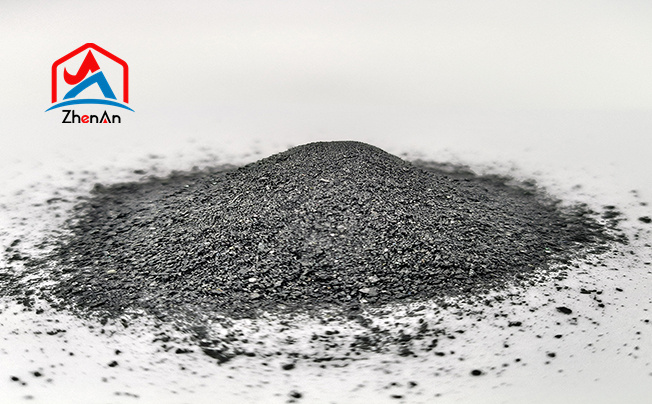
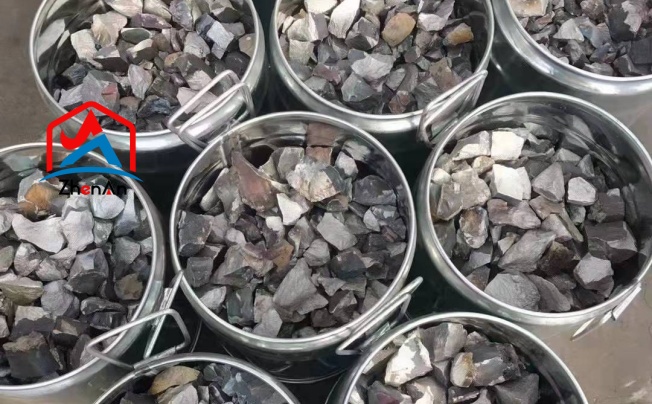
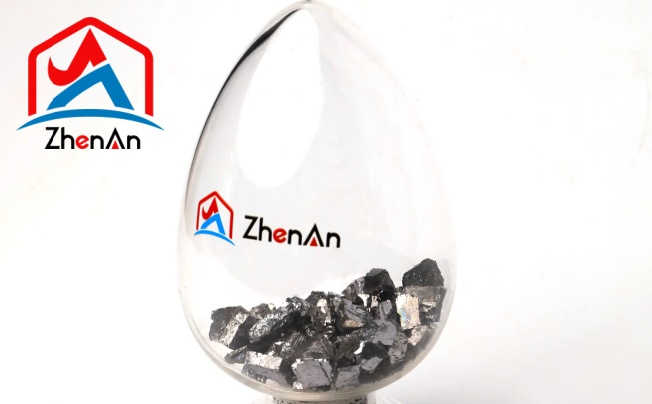
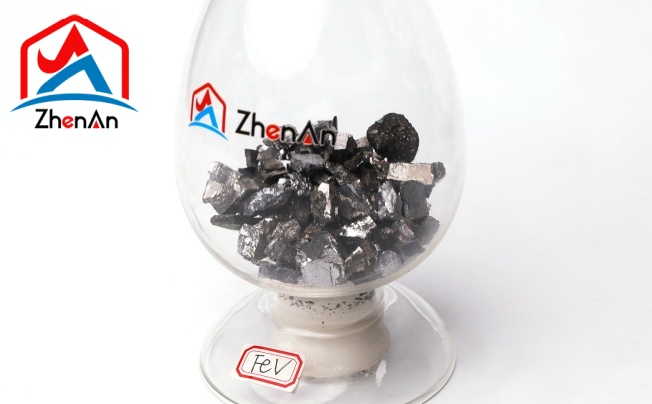
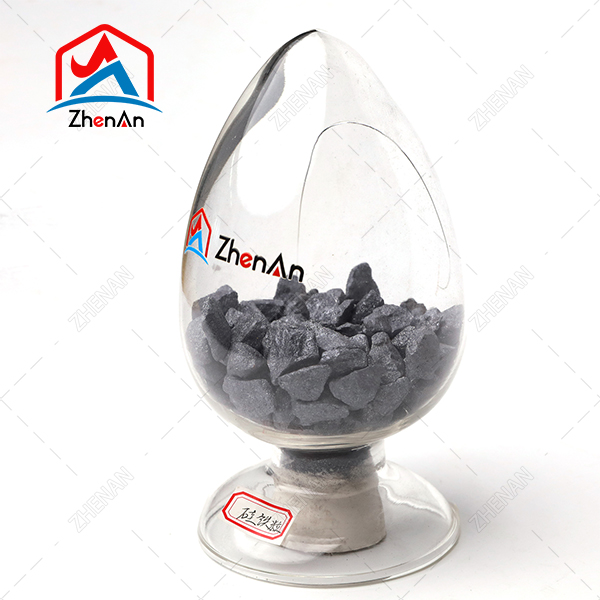
Ferrosilicon is an iron–silicon alloy containing typically 45%–75% silicon (Si). It is produced in submerged electric arc furnaces by reducing silica (SiO₂) with carbon at high temperatures.
In steelmaking, ferrosilicon is primarily used as a strong deoxidizer and silicon alloying agent.
Its core function is based on the chemical affinity of silicon for oxygen.
What is the deoxidation reaction mechanism of ferrosilicon?
When ferrosilicon is added to molten steel, silicon reacts with dissolved oxygen according to the reaction:
Si + O → SiO₂
The formed silicon dioxide (SiO₂) enters the slag phase and is removed from the molten steel.
This reaction reduces oxygen content and prevents the formation of harmful gas bubbles during solidification.
How Does Ferrosilicon Improve Steel Deoxidation Efficiency?
Why does ferrosilicon improve steel quality during deoxidation?
Ferrosilicon improves steel quality through multiple metallurgical mechanisms:
1. Oxygen removal from molten steel
Oxygen in steel causes:
- Porosity
- Blowholes
- Internal defects
Ferrosilicon removes oxygen effectively, stabilizing molten steel chemistry.
2. Formation of stable slag compounds
The reaction produces SiO₂, which combines with other oxides in slag, helping:
- Clean molten steel
- Reduce inclusion defects
- Improve surface quality
3. Controlled silicon alloying
Silicon is also a strengthening element in steel:
- Improves tensile strength
- Enhances elasticity
- Increases corrosion resistance in certain grades
4. Reduced nitrogen and hydrogen defects
Better deoxidation indirectly reduces gas entrapment during solidification.
What Ferrosilicon Grades Are Used in Steel Deoxidation?
Which FeSi grades are commonly used in deoxidation processes?
Different grades are selected based on steel quality requirements:
| Grade | Silicon Content | Application |
|---|---|---|
| FeSi 65 | ~65% | General steelmaking |
| FeSi 72 | ~72% | Standard deoxidation |
| FeSi 75 | ~75% | High-quality steel |
| Low-Al FeSi | 72–75% | Clean steel production |
Higher silicon content improves deoxidation efficiency and reduces consumption.
What Particle Size of Ferrosilicon Is Used in Deoxidation?
Why does ferrosilicon size matter in steel deoxidation?
Particle size determines:
- Reaction speed
- Silicon recovery
- Oxidation loss
- Feeding efficiency
Typical industrial sizes include:
- 10–50 mm → bulk steelmaking (EAF, BOF)
- 3–10 mm → foundry and ladle refining
- 0–3 mm → powder injection and cored wire
- 100–325 mesh → specialty metallurgy
Larger sizes are used for furnace charging, while finer sizes are used for controlled injection systems.
What Are the Key Technical Properties of Ferrosilicon for Deoxidation?
What are the standard specifications of ferrosilicon used in steelmaking?
Typical industrial specification:
| Property | Range |
|---|---|
| Silicon (Si) | 65%–75% |
| Iron (Fe) | Balance |
| Carbon (C) | ≤0.20% |
| Sulfur (S) | ≤0.02% |
| Phosphorus (P) | ≤0.04% |
| Aluminum (Al) | Controlled (≤2.0%) |
| Density | 6.7–7.2 g/cm³ |
| Melting range | 1200–1350°C |
These values are aligned with international steelmaking and ferroalloy quality standards (ASTM / EN / GB/T equivalents).
Why Is Ferrosilicon Preferred Over Other Deoxidizers?
Why do steel plants choose ferrosilicon instead of aluminum or calcium?
Ferrosilicon is preferred because it provides a balanced metallurgical performance:
Compared to aluminum:
- Less violent reaction
- More controlled deoxidation
- Lower risk of nozzle clogging in continuous casting
Compared to calcium:
- More stable reaction behavior
- Lower volatility
- Easier process control
Compared to manganese:
- Stronger oxygen affinity
- More efficient deoxidation per unit weight
Ferrosilicon is considered a primary deoxidizer in most steelmaking systems worldwide.
How Is Ferrosilicon Used in Industrial Steelmaking Processes?
Where is ferrosilicon applied in steel deoxidation systems?
Ferrosilicon is used in multiple stages:
Electric Arc Furnace (EAF)
- Primary deoxidation during tapping
- Alloy adjustment
Basic Oxygen Furnace (BOF)
- Secondary deoxidation
- Slag-metal equilibrium control
Ladle Furnace (LF)
- Final refining stage
- Clean steel production
Continuous casting
- Inclusion control
- Preventing re-oxidation
What Is the Role of Ferrosilicon in Steel Cleanliness?
How does ferrosilicon improve steel cleanliness?
Steel cleanliness refers to the level of non-metallic inclusions in steel.
Ferrosilicon contributes by:
- Converting dissolved oxygen into slag-forming compounds
- Reducing oxide inclusion formation
- Stabilizing molten steel chemistry
- Supporting secondary refining processes
Cleaner steel results in:
- Higher fatigue resistance
- Better machinability
- Improved surface finish
- Longer service life
Ferrosilicon vs Other Silicon Materials in Deoxidation
How does ferrosilicon compare with silicon metal and calcium silicon?
| Material | Function | Key Difference |
|---|---|---|
| Ferrosilicon | Deoxidizer + alloying | Iron-based silicon alloy |
| Silicon metal | Alloying for aluminum/chemicals | High purity Si source |
| Calcium silicon | Strong deoxidation + desulfurization | More reactive, harder to control |
Ferrosilicon offers the best balance between cost, stability, and performance in steelmaking.
How Should Buyers Select Ferrosilicon for Deoxidation?
What should procurement teams evaluate before buying ferrosilicon?
Key selection criteria include:
1. Chemical composition stability
- Silicon content consistency
- Low impurity levels (Al, S, P)
2. Particle size distribution
- Match furnace type and feeding system
3. Production reliability
- Submerged arc furnace capability
- Batch traceability
4. Quality documentation
- COA (Certificate of Analysis)
- Particle size report
- Third-party inspection if required
5. Packaging
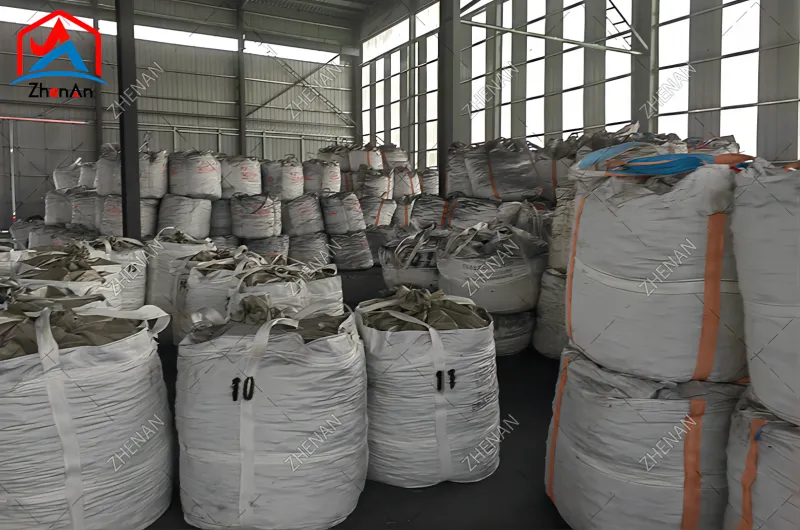
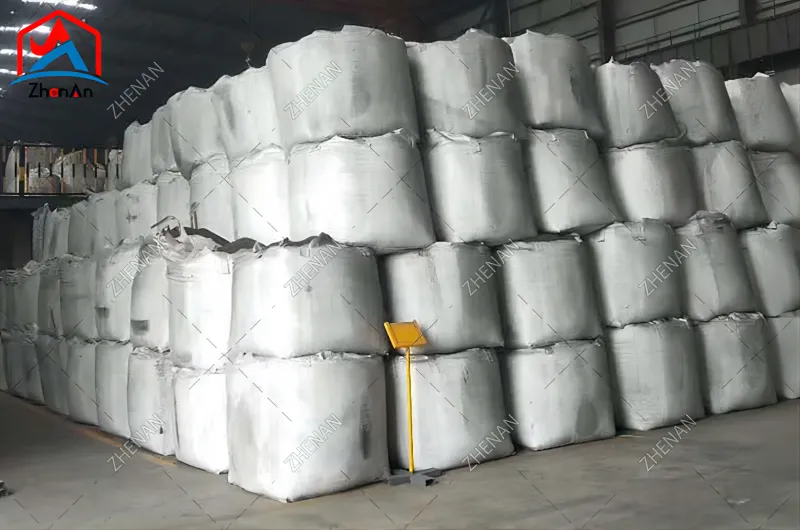
- Moisture-proof jumbo bags
- Export-standard sealing
FAQ: Why Is Ferrosilicon Added During Steel Deoxidation?
Why is ferrosilicon used in steel deoxidation?
Ferrosilicon is used because silicon has a strong chemical affinity for oxygen. When added to molten steel, it reacts with dissolved oxygen to form silicon dioxide (SiO₂), which is removed into slag. This reduces oxygen content in steel and prevents defects such as porosity and cracking, improving overall steel quality.
What happens if steel is not deoxidized properly?
If steel is not properly deoxidized, dissolved oxygen remains in the molten metal and forms gas bubbles during solidification. This leads to defects such as porosity, blowholes, internal cracks, and reduced mechanical strength. Poor deoxidation also negatively affects surface quality and fatigue resistance.
Why is ferrosilicon better than aluminum for deoxidation?
Ferrosilicon provides a more controlled and less violent reaction compared to aluminum. While aluminum is very strong, it can create excessive heat and lead to nozzle clogging during continuous casting. Ferrosilicon offers stable deoxidation, better process control, and lower operational risks in large-scale steel production.
Which ferrosilicon grade is best for deoxidation?
FeSi 72 and FeSi 75 are the most commonly used grades. FeSi 75 is preferred for high-quality steel due to higher silicon content and better efficiency, while FeSi 72 is widely used in standard carbon steel production where cost efficiency is important.
Does ferrosilicon affect final steel properties?
Yes. In addition to removing oxygen, ferrosilicon also adds silicon to steel, which improves strength, elasticity, and corrosion resistance in certain grades. However, the effect depends on dosage, steel grade, and processing conditions.
What particle size is best for deoxidation?
For most steelmaking processes, 10–50 mm is commonly used for furnace charging. Smaller sizes such as 0–3 mm or powder forms are used in injection systems and cored wire applications where controlled feeding is required.
Is ferrosilicon used in all types of steel?
Ferrosilicon is widely used in carbon steel, low-alloy steel, stainless steel, and cast iron production. However, the exact grade and dosage depend on the specific steel chemistry and production route.
How is ferrosilicon added during steelmaking?
Ferrosilicon is typically added during tapping from the furnace or during secondary refining in the ladle. It is charged directly into molten steel where it reacts with dissolved oxygen and integrates into the slag phase.
Contact Information
For stable quality ferrosilicon (FeSi 65–75) supply for steel deoxidation and alloying: WhatsApp / WeChat: +86 15518824805