



BY  GENN
GENN
2026/07
Case
What is the Standard Purity of Electrolytic Manganese Metal?
What Is the Standard Purity of Electrolytic Manganese Metal?
Electrolytic Manganese Metal (EMM) is a high-purity manganese product produced through an electrolytic process and is widely used in stainless steel, special steel, aluminum alloys, and battery material applications.
The standard commercial purity of electrolytic manganese metal is generally 99.7% manganese (Mn) minimum, with premium grades reaching approximately 99.8%–99.9% Mn depending on production requirements and impurity control.
For steelmakers and alloy producers, purity is not the only factor determining product suitability. Elements such as sulfur (S), phosphorus (P), iron (Fe), carbon (C), and selenium (Se) must also be strictly controlled because they can influence alloy performance, mechanical properties, and downstream processing.
What Are the Typical Chemical Specifications of Electrolytic Manganese Metal?
| Element | Standard Requirement |
|---|---|
| Manganese (Mn) | ≥99.7% |
| Carbon (C) | ≤0.03% |
| Sulfur (S) | ≤0.05% |
| Phosphorus (P) | ≤0.005% |
| Iron (Fe) | ≤0.03% |
| Silicon (Si) | ≤0.01% |
| Selenium (Se) | Controlled according to grade |
These specifications represent common industrial requirements for high-quality electrolytic manganese metal used in metallurgical applications.
Why Is 99.7% Mn Purity the Industry Standard?
The 99.7% purity level provides an effective balance between performance and production cost. In steelmaking, manganese is mainly added to improve hardness, strength, wear resistance, and deoxidation efficiency.
A purity level above 99.7% ensures that unwanted elements remain at controlled levels, preventing negative effects on steel properties. For many stainless steel and specialty alloy applications, this grade provides sufficient manganese content while maintaining cost efficiency.
Higher purity grades may be selected when manufacturers require tighter control over trace elements, particularly in advanced alloy production or applications with strict quality requirements.
How Do Impurities Affect Electrolytic Manganese Performance?
Impurity control is one of the most important factors when selecting electrolytic manganese metal. Excessive sulfur and phosphorus can negatively affect steel toughness and processing performance, while higher iron or silicon content may change the final alloy composition.
For high-performance steels, manufacturers often require manganese metal with stable chemical composition rather than simply the highest manganese percentage. Consistency between batches helps maintain predictable alloying results and reduces production adjustments.
What Are the Main Applications of High-Purity Electrolytic Manganese Metal?
| Application | Why EMM Is Used |
|---|---|
| Stainless Steel Production | Controls manganese content and improves alloy properties |
| Special Alloy Steel | Provides precise alloy adjustment |
| Aluminum-Manganese Alloy | Improves strength and corrosion resistance |
| Battery Materials | Requires controlled manganese purity |
| Welding Materials | Supports stable chemical composition |
Because of its high purity and low impurity levels, electrolytic manganese metal is an important raw material for industries requiring precise manganese addition.
How Should Buyers Select the Right Electrolytic Manganese Grade?
Choosing the correct EMM grade depends on the final application, alloy requirements, and impurity limitations. Steel mills usually focus on manganese content, sulfur, phosphorus, and iron levels, while battery-related applications may require stricter control of specific trace elements.
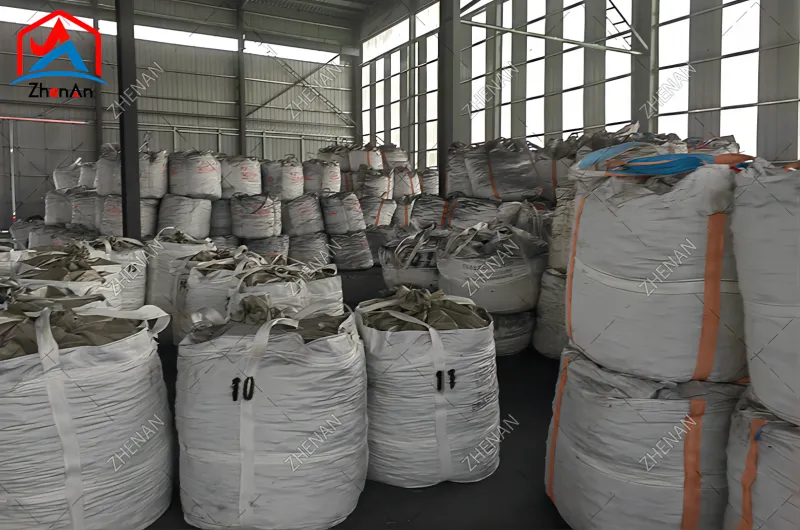
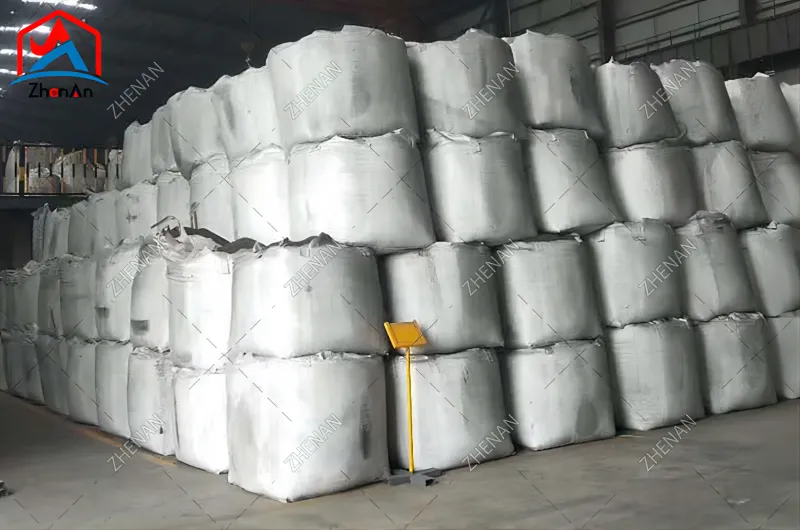
Procurement teams should evaluate supplier quality certificates, chemical analysis reports, production consistency, and packaging standards before placing large-volume orders. A reliable supplier can provide stable specifications and reduce quality fluctuations during production.
📞 Source High-Purity Electrolytic Manganese Metal from ZhenAn
👉 Secure 99.7%+ Electrolytic Manganese Metal with stable quality and reliable supply for your alloy production needs.
📧 Email: market@zaferroalloy.com
📱 WhatsApp: +8615518824805
FAQ
1. What is the standard purity of electrolytic manganese metal?
The common industrial standard is Mn ≥99.7%, with some premium grades reaching 99.8%–99.9%.
2. Why is electrolytic manganese metal preferred over other manganese products?
It provides much higher manganese purity and better control of impurities compared with standard manganese alloys.
3. Which impurities are most important in EMM purchasing?
Sulfur, phosphorus, iron, carbon, silicon, and selenium are key elements that buyers usually monitor.
4. Is 99.7% electrolytic manganese suitable for stainless steel production?
Yes, 99.7% EMM is widely used for stainless steel and special steel alloying applications.
5. What forms of electrolytic manganese metal are available?
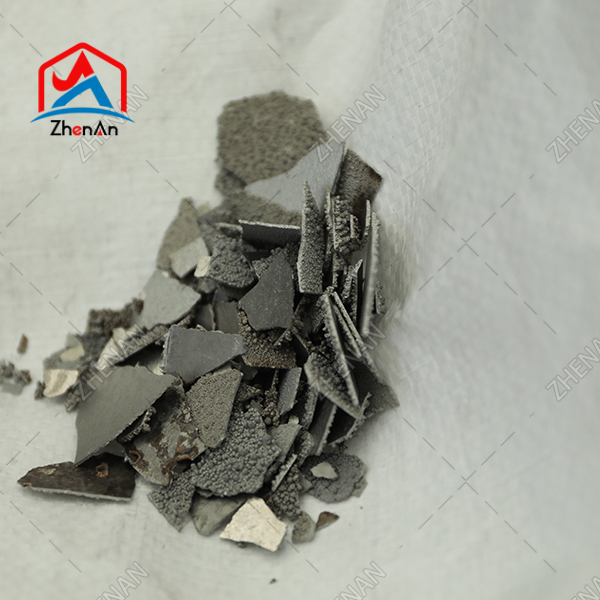
EMM is commonly supplied as flakes, plates, or customized sizes according to customer requirements.
6. How can buyers verify EMM quality before shipment?
Buyers should review chemical analysis reports, certificates of analysis (COA), and supplier quality control records.