



BY  GENN
GENN
2026/09
Case
What is the Gas Yield of Industrial Calcium Carbide?
What Is the Gas Yield of Industrial Calcium Carbide?
Introduction
The gas yield of industrial calcium carbide refers to the amount of acetylene gas generated when calcium carbide (CaC₂) reacts with water. In industrial applications, calcium carbide with higher CaC₂ content generally produces more acetylene gas. Commercial calcium carbide is commonly supplied in grades such as 80%, 85%, and higher CaC₂ content levels, with applications including acetylene production, chemical manufacturing, metal cutting, and welding.
For buyers, understanding calcium carbide gas yield is important because CaC₂ content, particle size, impurities, and reaction conditions directly affect the actual acetylene output during use.
What Is Industrial Calcium Carbide?
Industrial calcium carbide is a chemical compound produced by reacting quicklime (CaO) and carbon materials in an electric arc furnace at high temperatures.
The main chemical reaction is:
CaO + 3C → CaC₂ + CO
The produced calcium carbide is mainly used as a source of acetylene gas. When calcium carbide contacts water, it generates acetylene:
CaC₂ + 2H₂O → C₂H₂ + Ca(OH)₂
The acetylene gas produced can be used in welding, cutting, chemical synthesis, and other industrial processes.
How Much Gas Can Calcium Carbide Produce?
The theoretical acetylene yield of pure calcium carbide is approximately:
1 kg of pure CaC₂ can produce about 0.406 kg of acetylene gas, equivalent to around 372 liters of acetylene gas at standard conditions.
However, commercial calcium carbide is not 100% pure. Industrial products usually contain a certain percentage of CaC₂ along with impurities, so the actual gas yield depends on the carbide grade.
Calcium Carbide Grade and Gas Yield
Industrial calcium carbide is usually classified according to CaC₂ content and gas yield.
| Calcium Carbide Grade | CaC₂ Content | Approximate Acetylene Yield* | Typical Applications |
|---|---|---|---|
| Calcium Carbide 80% | ≥80% CaC₂ | Around 290–300 L/kg | General industrial acetylene production |
| Calcium Carbide 85% | ≥85% CaC₂ | Around 310–320 L/kg | Welding, cutting, chemical applications |
| Higher CaC₂ Grade | Higher CaC₂ content | Higher gas output | Applications requiring higher acetylene efficiency |
*Actual gas yield may vary depending on raw materials, impurities, particle size, and operating conditions.
Factors Affecting Calcium Carbide Gas Yield
1. CaC₂ Content
CaC₂ percentage is the most important factor affecting acetylene production.
Higher CaC₂ content means more available calcium carbide reacts with water and produces more acetylene gas.
2. Impurity Content
Industrial calcium carbide may contain impurities such as:
- Calcium oxide
- Carbon
- Silicon compounds
- Iron compounds
Higher impurity levels reduce the effective CaC₂ proportion and may affect reaction efficiency.
3. Particle Size
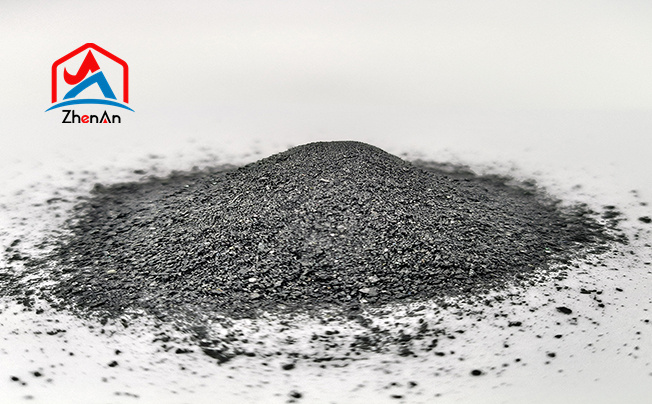
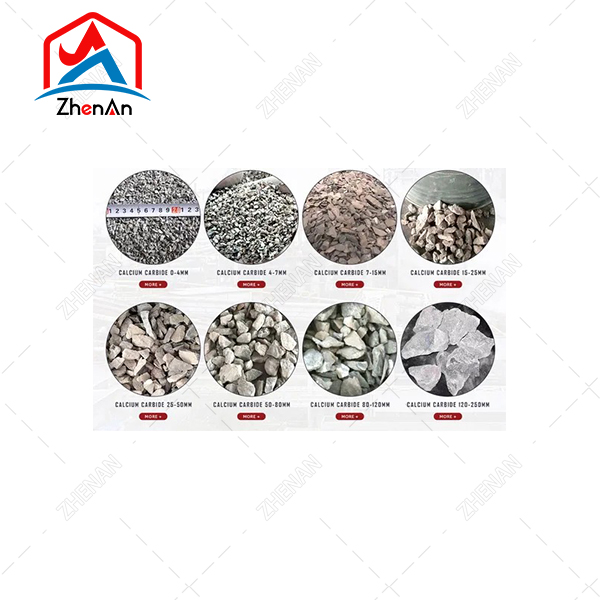
Calcium carbide is commonly supplied in different sizes, including:
| Particle Size | Common Application |
|---|---|
| 0–25 mm | Small-scale acetylene generation |
| 25–50 mm | General industrial use |
| 50–80 mm | Industrial acetylene equipment |
| 80–120 mm | Larger gas generation systems |
Particle size selection depends on reactor design and gas generation requirements.
4. Reaction Conditions
Actual acetylene yield can be affected by:
- Water temperature
- Reaction speed
- Calcium carbide particle size
- Equipment design
- Gas collection efficiency
Industrial users usually evaluate gas yield together with operating conditions rather than CaC₂ content alone.
Calcium Carbide Gas Yield vs Calcium Carbide Grade
When purchasing calcium carbide, buyers often compare different grades based on gas production requirements.
| Comparison Item | Standard Grade Calcium Carbide | Higher CaC₂ Grade Calcium Carbide |
|---|---|---|
| CaC₂ Content | Medium | Higher |
| Acetylene Output | Standard production level | Higher potential output |
| Raw Material Efficiency | Suitable for general use | Suitable for applications requiring higher efficiency |
| Purchase Consideration | Cost and application balance | Gas yield requirement and process demand |
Applications of Calcium Carbide Based on Acetylene Production
Acetylene Gas Generation
The largest industrial use of calcium carbide is acetylene generation. The produced acetylene can be used for:
- Gas welding and cutting
- Metal fabrication
- Industrial heating applications
Chemical Industry
Acetylene generated from calcium carbide is used as a raw material for producing:
- PVC-related chemicals
- Organic chemical intermediates
- Other chemical products
Mining and Industrial Applications
Certain industrial operations use calcium carbide-based acetylene generation equipment for portable or specialized gas supply.
Buyer Guide: How to Select Industrial Calcium Carbide
Before purchasing calcium carbide, buyers should confirm the following specifications:
1. Confirm CaC₂ Content
Ask for the calcium carbide grade, such as:
- 80%
- 85%
- Custom CaC₂ content requirement
Higher CaC₂ content generally corresponds to higher theoretical gas yield.
2. Check Particle Size Requirements
Confirm whether the application requires:
- 25–50 mm
- 50–80 mm
- 80–120 mm
- Other customized sizes
3. Review Quality Documents
Industrial buyers commonly request:
- Chemical composition
- CaC₂ content test report
- Particle size distribution
- Packaging information
- Safety data sheet (SDS)
4. Consider Packaging and Transportation
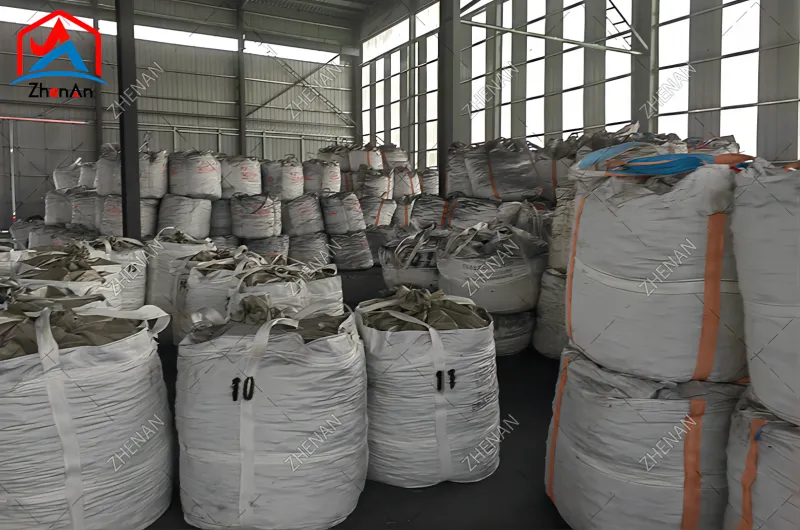
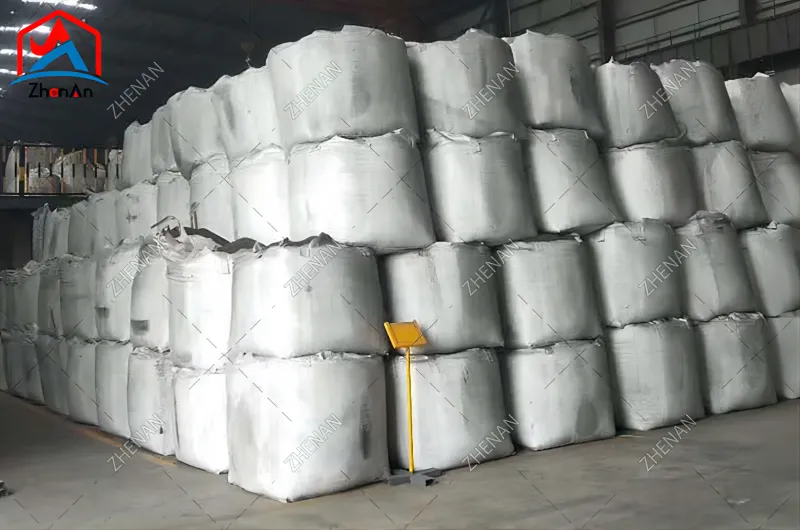
Calcium carbide reacts with moisture, so suitable packaging and dry storage conditions are important during transportation and handling.
ZhenAn Calcium Carbide Supply
ZhenAn supplies industrial materials for global customers with experience in metallurgical materials and industrial raw materials.
Our calcium carbide products are available with different specifications, including:
- CaC₂ content grades
- Particle size options
- Industrial packaging solutions
- Customized requirements according to customer applications
For product specifications, quotation, and technical information, please contact:
Email: market@zaferroalloy.com
WhatsApp: +86 15518824805
Frequently Asked Questions
1. What is the gas yield of industrial calcium carbide?
The gas yield depends on CaC₂ content. Higher-grade calcium carbide generally produces more acetylene gas. Commercial grades such as 80% and 85% CaC₂ have different gas output levels.
2. How much acetylene does 1 kg of calcium carbide produce?
Pure calcium carbide can theoretically generate about 372 liters of acetylene per kilogram. Industrial calcium carbide produces less depending on its CaC₂ content.
3. Does higher CaC₂ content mean higher gas yield?
Yes. Calcium carbide with higher CaC₂ content contains more reactive material and generally provides higher acetylene production potential.
4. What calcium carbide grades are commonly used in industry?
Common industrial grades include calcium carbide with approximately 80% and 85% CaC₂ content, depending on application requirements.
5. What particle sizes are available for calcium carbide?
Common sizes include 25–50 mm, 50–80 mm, and 80–120 mm. Other sizes may be supplied according to customer requirements.
6. How should industrial calcium carbide be stored?
Calcium carbide should be stored in dry conditions and protected from moisture because it reacts with water to generate acetylene gas.
7. What information should buyers provide when ordering calcium carbide?
Buyers should specify CaC₂ content, particle size, packaging requirements, quantity, and intended application.
8. Is calcium carbide used only for acetylene production?
No. While acetylene generation is the main application, calcium carbide is also used in chemical manufacturing and other industrial processes.