



BY  GENN
GENN
2026/09
Case
What is the Chemical Composition of Calcium Carbide (CaC₂)?
What Is the Chemical Composition of Calcium Carbide (CaC₂)?
Introduction
The chemical composition of calcium carbide (CaC₂) mainly consists of calcium carbide as the active component, with industrial-grade products also containing small amounts of impurities from the manufacturing process. Commercial calcium carbide is commonly classified by CaC₂ content, such as 80% and 85% grades, which directly affects acetylene gas production capacity.
For industrial buyers, understanding calcium carbide composition is important when evaluating product grade, gas yield, particle size, and suitability for applications such as acetylene generation, welding, cutting, and chemical manufacturing.
What Is Calcium Carbide (CaC₂)?
Calcium carbide, also known as CaC₂, is an inorganic compound produced by reacting quicklime (CaO) with carbon materials in an electric furnace at high temperatures.
The main production reaction is:
CaO + 3C → CaC₂ + CO
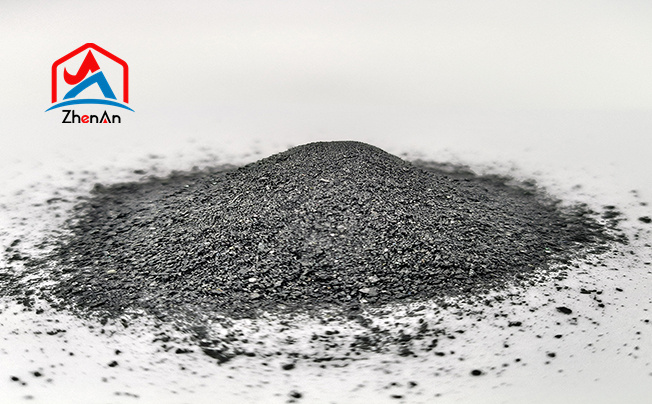
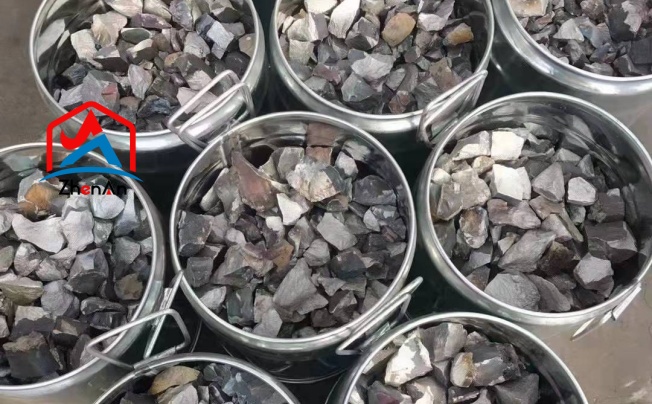
The finished product is a gray or dark gray solid material. When calcium carbide reacts with water, it produces acetylene gas:
CaC₂ + 2H₂O → C₂H₂ + Ca(OH)₂
This reaction makes calcium carbide an important industrial source of acetylene.
Main Chemical Components of Industrial Calcium Carbide
Industrial calcium carbide mainly contains:
| Component | Typical Content / Role |
|---|---|
| Calcium Carbide (CaC₂) | Main active component responsible for acetylene generation |
| Calcium Oxide (CaO) | Common impurity from raw materials and production process |
| Carbon (C) | Residual carbon from furnace production |
| Silicon Compounds | Trace impurities from raw materials |
| Iron Compounds | Trace metallic impurities |
The exact composition depends on production technology, raw materials, and quality requirements.
CaC₂ Content in Commercial Calcium Carbide Grades
The CaC₂ content is the key indicator used to classify industrial calcium carbide.
| Grade | CaC₂ Content | Main Characteristics |
|---|---|---|
| Calcium Carbide 80% | Approximately 80% CaC₂ | Common industrial grade for general acetylene production |
| Calcium Carbide 85% | Approximately 85% CaC₂ | Higher active CaC₂ content and higher gas generation potential |
| Customized Grade | According to customer requirements | Used for specific industrial applications |
Higher CaC₂ content generally means a higher proportion of reactive calcium carbide in the product.
How Chemical Composition Affects Calcium Carbide Performance
1. CaC₂ Content and Acetylene Yield
The amount of CaC₂ determines the theoretical acetylene production capacity.
Pure CaC₂ reacts with water to produce acetylene:
CaC₂ + 2H₂O → C₂H₂ + Ca(OH)₂
Industrial calcium carbide has lower CaC₂ content because commercial products contain other components.
2. Impurity Levels
Industrial calcium carbide may contain impurities including:
Calcium Oxide (CaO)
CaO may remain from incomplete reaction of lime during production.
Carbon Residue
Unreacted carbon materials may remain after furnace processing.
Other Mineral Components
Trace elements depend on raw material sources and production conditions.
For industrial purchasing, impurity levels should be reviewed according to the intended application.
Calcium Carbide Chemical Composition Specification Example
A typical industrial calcium carbide specification may include:
| Specification Item | Purpose |
|---|---|
| CaC₂ Content (%) | Determines grade and gas yield potential |
| Particle Size | Matches different gas generation equipment |
| Phosphorus Content | Quality control parameter for some applications |
| Sulfur Content | Important for specific industrial requirements |
| Moisture Protection | Ensures safe storage and transportation |
Actual specifications should be confirmed according to supplier technical documents and customer requirements.
Calcium Carbide Manufacturing and Composition Control
The chemical composition of calcium carbide is influenced by:
Raw Materials
Main raw materials include:
- Quicklime
- Carbon materials such as coke
The quality of raw materials affects the final CaC₂ content and impurity levels.
Electric Furnace Process
Calcium carbide is produced in electric arc furnaces at high temperatures.
Production parameters can influence:
- Reaction efficiency
- CaC₂ formation
- Residual impurities
Calcium Carbide Composition vs Application
| Application | Important Composition Factors |
|---|---|
| Acetylene generation | CaC₂ content and gas yield |
| Welding and cutting | CaC₂ grade and particle size |
| Chemical production | CaC₂ content and impurity control |
| Industrial distribution | Grade consistency and specifications |
Buyer Guide: What Chemical Composition Should Buyers Check?
Before purchasing industrial calcium carbide, buyers should confirm:
1. CaC₂ Percentage
Confirm the required grade:
- 80% CaC₂
- 85% CaC₂
- Other customized requirements
2. Impurity Specifications
Request information about:
- Chemical composition analysis
- Impurity content
- Test reports
3. Particle Size
Select suitable sizes according to application:
- 25–50 mm
- 50–80 mm
- 80–120 mm
4. Quality Documentation
Industrial buyers commonly request:
- Certificate of Analysis (COA)
- Safety Data Sheet (SDS)
- Product specification sheet
ZhenAn Calcium Carbide Supply
ZhenAn supplies industrial materials for global customers with experience in metallurgical materials and industrial raw materials.
Our calcium carbide products are supplied with:
- Different CaC₂ content grades
- Various particle size options
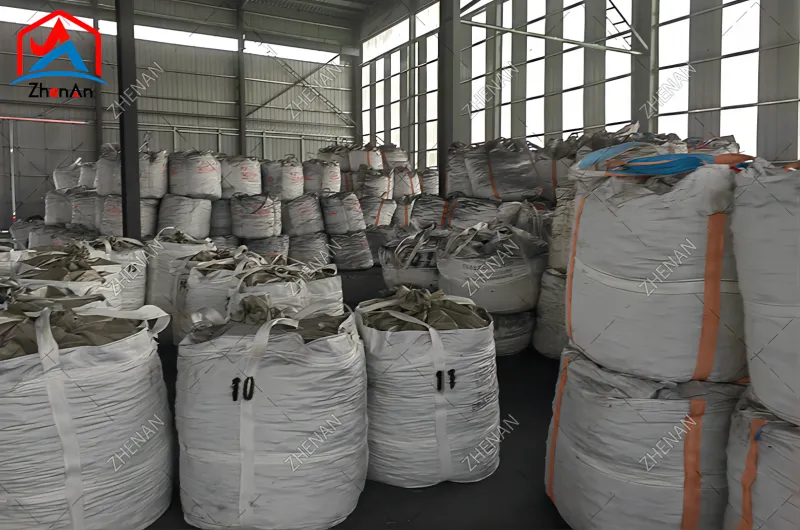
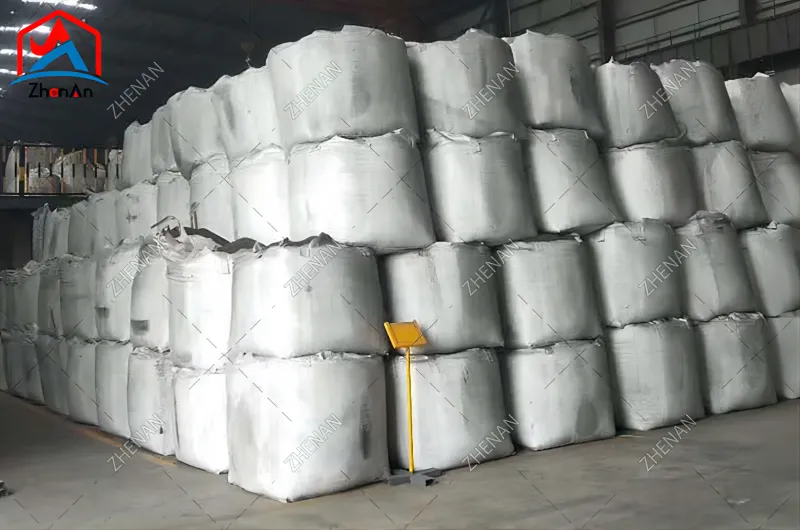
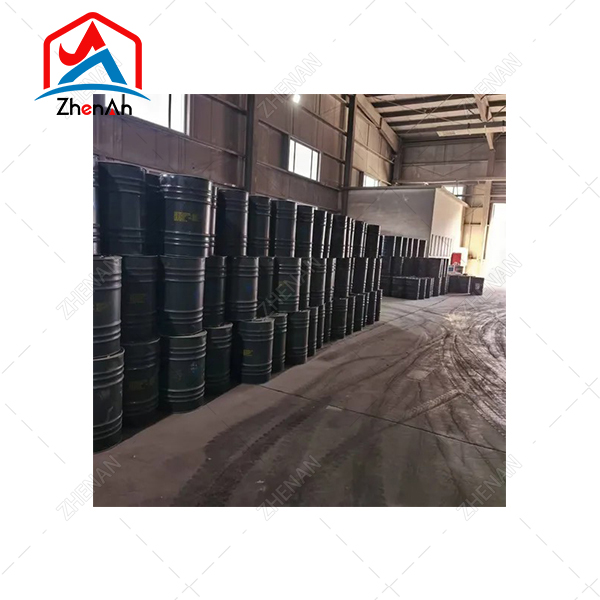
- Industrial packaging solutions
- Customized specifications according to customer requirements
For product specifications, quotation, and technical information, please contact:
Email: market@zaferroalloy.com
WhatsApp: +86 15518824805
Frequently Asked Questions
1. What is the main chemical component of calcium carbide?
The main component of calcium carbide is CaC₂ (calcium carbide), which reacts with water to produce acetylene gas.
2. What percentage of CaC₂ is in industrial calcium carbide?
Commercial calcium carbide commonly contains around 80% or 85% CaC₂, depending on the product grade.
3. Why is CaC₂ content important in calcium carbide?
CaC₂ content determines the amount of active material available for acetylene generation and is a key factor in product grading.
4. What impurities are found in industrial calcium carbide?
Common impurities may include calcium oxide, carbon residue, silicon compounds, and iron compounds.
5. Does higher CaC₂ content mean higher acetylene output?
Generally, higher CaC₂ content provides greater acetylene production potential under the same reaction conditions.
6. How is calcium carbide composition tested?
Chemical composition is typically tested through laboratory analysis and reported in product quality documents.
7. What specifications should buyers request for calcium carbide?
Buyers should confirm CaC₂ content, particle size, impurity requirements, packaging, and quality documentation.
8. Can calcium carbide composition be customized?
Yes. Suppliers may provide different grades and specifications based on customer application requirements.