



BY  GENN
2026/10
Case
What Is Phosphorus Iron Alloy and Why Is It Important in Metallurgy?
What Is Phosphorus Iron Alloy and Why Is It Important in Metallurgy?
Introduction
Phosphorus iron alloy, commonly known as ferrophosphorus (FeP), is an iron-based alloy containing phosphorus as its principal alloying element. It is used in selected metallurgical processes as a source of phosphorus and iron, particularly in steelmaking, foundry operations, and the production of specialized iron-based materials.
Ferrophosphorus is available in different phosphorus content levels and particle sizes. Its suitability depends on the target chemical composition, phosphorus recovery, melting conditions, and the requirements of the final metal product.
For industrial buyers, understanding ferrophosphorus composition, specifications, and application requirements is essential when selecting a suitable grade for production.
1. What Is Phosphorus Iron Alloy?
Phosphorus iron alloy is an iron-phosphorus material produced by combining iron-bearing materials with phosphorus-bearing raw materials through an appropriate metallurgical process.
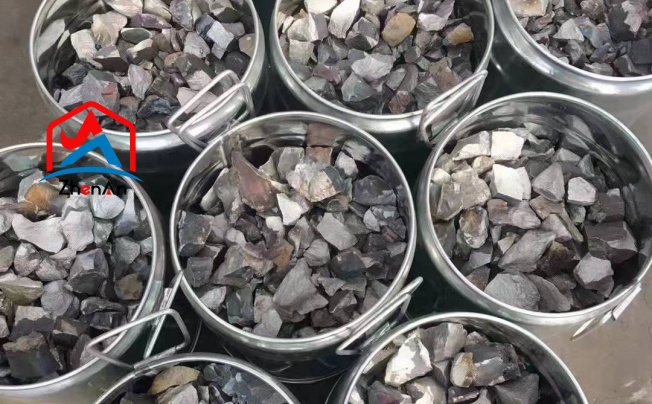
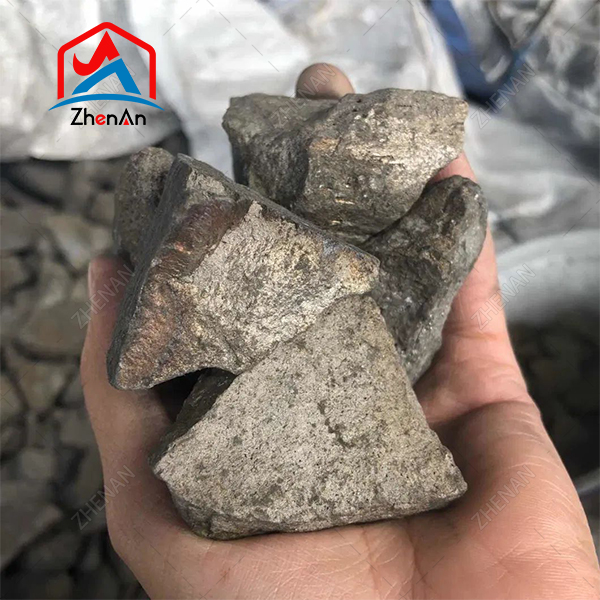
It is commonly supplied as lump, crushed material, or granules, depending on the producer’s product range and customer requirements.
The main components are:
- Iron (Fe): The metallic base of the alloy.
- Phosphorus (P): The principal alloying element.
- Other elements: May include controlled levels of silicon, carbon, sulfur, and other impurities depending on the production process and grade.
Ferrophosphorus is used when manufacturers need to introduce phosphorus into an iron-based melt with a defined chemical composition.
2. Chemical Composition and Specifications of Ferrophosphorus
Chemical composition is one of the most important purchasing factors for ferrophosphorus. Buyers should evaluate phosphorus content together with iron content and impurity limits.
Main Chemical Components
| Element | Role in the alloy | Purchasing consideration |
|---|---|---|
| Phosphorus (P) | Main alloying element | Confirm the required phosphorus content |
| Iron (Fe) | Base metallic component | Confirm the iron balance or minimum content |
| Silicon (Si) | May be present as a residual element | Check the maximum permitted level |
| Carbon (C) | Residual element | Confirm the applicable limit |
| Sulfur (S) | Impurity requiring control | Check the maximum permitted level |
| Other elements | Depend on raw materials and production | Confirm customer-specific limits |
Common Ferrophosphorus Product Specifications
Ferrophosphorus grades can vary by producer, standard, and intended application. The following table identifies the key parameters buyers should request rather than assuming a universal grade specification.
| Parameter | Specification to confirm |
|---|---|
| Product name | Ferrophosphorus / Phosphorus Iron Alloy |
| Chemical composition | P, Fe, Si, C, S, and other relevant elements |
| Phosphorus content | Target percentage and permitted tolerance |
| Iron content | Minimum or calculated balance |
| Particle size | Lump, crushed, or granular size range |
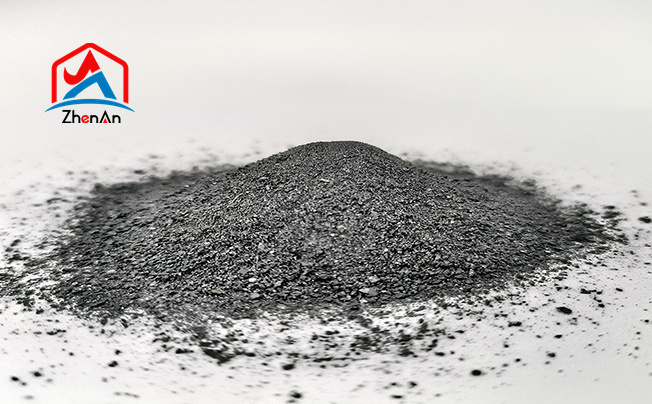
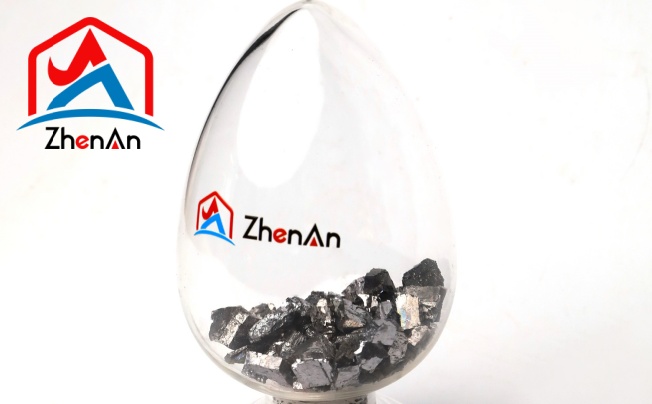
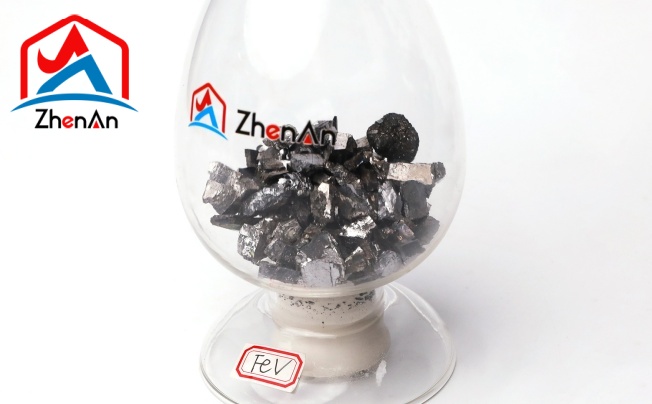
| Appearance | Metallic gray or silvery-gray solid material |
| Moisture | Maximum permitted moisture, if specified |
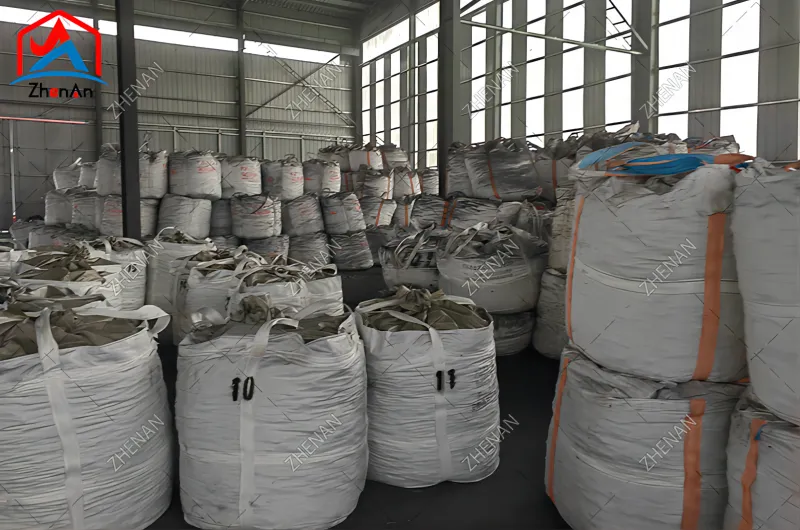
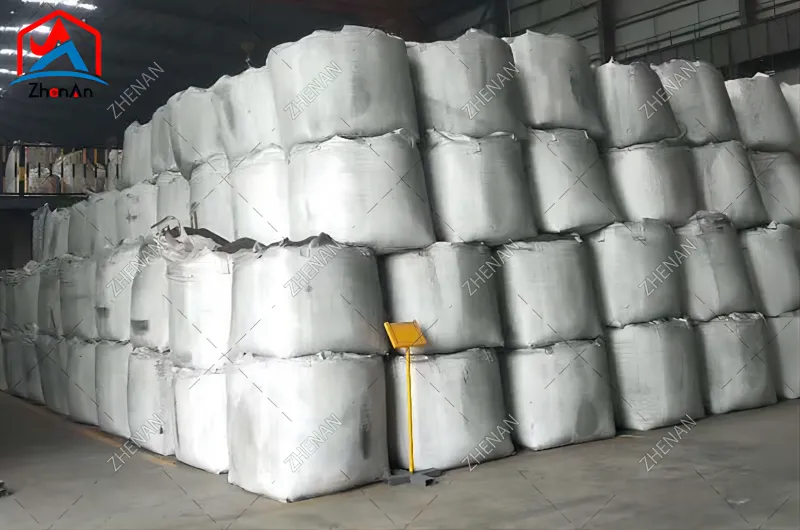
| Packaging | Bags, bulk bags, or other agreed packaging |
| Inspection | Chemical analysis and COA requirements |
Important: Ferrophosphorus specifications are not identical across all markets. Buyers should provide the applicable standard or target composition before comparing quotations.
3. Why Is Phosphorus Important in Metallurgy?
Phosphorus can have different effects on iron and steel depending on its concentration, distribution, and the intended application.
3.1 Influence on Steel Properties
Phosphorus can increase strength and hardness in certain steel compositions. However, excessive phosphorus may reduce ductility and toughness, particularly at low temperatures.
For this reason, phosphorus is controlled carefully in many steel grades.
3.2 Role in Cast Iron Production
Phosphorus can influence the fluidity and solidification behavior of cast iron. In selected foundry applications, controlled phosphorus levels may be useful when producing specific casting compositions.
However, the acceptable phosphorus content depends on the casting grade, component requirements, and foundry process.
3.3 Controlled Alloying Addition
Ferrophosphorus provides a concentrated phosphorus-bearing addition for metallurgical production. It can be used where the production process requires a controlled phosphorus input.
The amount added must be calculated according to the initial melt composition, target phosphorus level, material recovery, and process conditions.
4. Main Properties of Ferrophosphorus
Ferrophosphorus is selected primarily for its chemical composition and role as a phosphorus-bearing metallurgical material.
| Property | General description |
|---|---|
| Material type | Iron-phosphorus alloy |
| Main element of interest | Phosphorus |
| Base metal | Iron |
| Physical form | Lump, crushed pieces, or granules |
| Appearance | Usually metallic gray or silvery-gray |
| Main function | Phosphorus addition in selected metallurgical processes |
| Application | Steelmaking, foundry, and specialized alloy production |
Physical appearance and particle size may vary with the manufacturing process and product specification.
5. Why Is Ferrophosphorus Important in Metallurgy?
Ferrophosphorus is important because it provides a practical way to introduce phosphorus into selected iron-based production processes.
Its metallurgical value is mainly associated with the following factors:
5.1 Controlled Phosphorus Addition
Ferrophosphorus can be used to adjust the phosphorus content of a melt when the target composition permits or requires phosphorus.
5.2 Defined Chemical Composition
A specified phosphorus content allows production teams to calculate material additions more accurately, provided that recovery and process conditions are understood.
5.3 Use in Specialized Foundry Applications
In selected cast iron applications, phosphorus may contribute to the required casting composition and processing characteristics.
5.4 Support for Specialized Alloy Production
Ferrophosphorus may be used as a raw material in the production of certain phosphorus-containing iron-based materials.
Its suitability depends on the target alloy composition and the manufacturer’s production route.
6. Ferrophosphorus vs Other Phosphorus-Bearing Materials
Different phosphorus-bearing materials serve different purposes. They should not be treated as interchangeable without considering their chemistry and process requirements.
| Material | Main composition | Typical role |
|---|---|---|
| Ferrophosphorus | Iron and phosphorus | Phosphorus addition to selected iron-based melts |
| Phosphorus-rich pig iron | Iron with relatively high phosphorus | Foundry and ironmaking applications, depending on grade |
| Phosphorus-bearing minerals | Phosphate compounds | Chemical and fertilizer raw materials |
| Phosphorus additives | Varies by formulation | Specific industrial or metallurgical applications |
Ferrophosphorus is particularly relevant when both iron and phosphorus are compatible with the target melt chemistry.
7. How to Select the Right Ferrophosphorus Grade
Industrial buyers should evaluate the alloy according to their production requirements.
7.1 Confirm the Target Phosphorus Content
The phosphorus content determines how much material is needed to achieve the target melt composition.
Buyers should provide the required phosphorus percentage and acceptable tolerance.
7.2 Check Impurity Limits
Silicon, carbon, sulfur, and other residual elements may affect the final composition. Their limits should be checked against the production specification.
7.3 Select the Appropriate Particle Size
Particle size affects handling, feeding, melting behavior, and material recovery.
The preferred size depends on the furnace, charging method, and production process.
7.4 Evaluate Material Recovery
Not all phosphorus introduced into a metallurgical process will necessarily remain in the final metal. Recovery depends on furnace conditions, slag chemistry, oxidation, addition method, and other operating factors.
Buyers should discuss expected recovery with their technical or production teams rather than applying a universal recovery assumption.
8. What Should Buyers Confirm Before Purchasing Ferrophosphorus?
Before requesting a quotation, prepare the following information:
| Purchasing item | Information required |
|---|---|
| Product | Ferrophosphorus / phosphorus iron alloy |
| Phosphorus content | Target P percentage |
| Iron content | Required minimum or balance |
| Impurities | Maximum Si, C, S, and other elements |
| Particle size | Required lump or granular range |
| Quantity | Trial order and regular demand |
| Packaging | Bag type, net weight, and labeling |
| Quality documents | COA and agreed inspection reports |
| Destination | Country and destination port |
| Delivery terms | Preferred Incoterms and delivery schedule |
A complete specification helps suppliers evaluate whether the material is suitable for the intended metallurgical process.
9. ZhenAn Industrial Material Supply
ZhenAn supplies industrial materials for global customers with experience in metallurgical materials and industrial raw materials.
For ferrophosphorus inquiries, buyers can provide the target phosphorus content, iron content, impurity limits, particle size, packaging requirements, and order quantity. Product specifications and supply requirements can then be evaluated according to the intended application.
10. Frequently Asked Questions
1. What is phosphorus iron alloy?
Phosphorus iron alloy, commonly called ferrophosphorus, is an iron-based alloy containing phosphorus. It is used as a phosphorus-bearing addition in selected metallurgical processes.
2. What is the chemical formula of ferrophosphorus?
Ferrophosphorus does not have one universal chemical formula because it is an alloy with variable composition. Its main constituents are iron and phosphorus.
3. What is the main function of ferrophosphorus in steelmaking?
Its main function is to introduce phosphorus into a steel or iron melt when the target composition requires controlled phosphorus addition.
4. Is phosphorus beneficial or harmful in steel?
The effect depends on the steel grade and phosphorus concentration. Phosphorus can contribute to strength and hardness in some applications, but excessive levels can reduce ductility and toughness.
5. What are the main applications of ferrophosphorus?
Ferrophosphorus is used in selected steelmaking processes, foundry applications, and specialized iron-based alloy production where phosphorus addition is required.
6. What specifications should buyers check when purchasing ferrophosphorus?
Buyers should confirm phosphorus content, iron content, silicon, carbon and sulfur limits, particle size, moisture requirements, packaging, and chemical analysis documents.
7. Is ferrophosphorus available in different particle sizes?
Yes. It may be supplied as lump, crushed material, or granules. Available sizes depend on the supplier’s production and processing capabilities.
8. How can I request a ferrophosphorus quotation?
Provide the required phosphorus content, impurity limits, particle size, quantity, packaging requirements, destination port, and delivery terms to help the supplier evaluate your inquiry.
11. Contact ZhenAn for Ferrophosphorus Inquiries
For product specifications, quotation, and technical information, please contact:
Email: market@zaferroalloy.com
WhatsApp: +86 15518824805