



BY  GENN
GENN
2026/09
Case
What are the Physical Properties of Calcium Carbide?
What Are the Physical Properties of Calcium Carbide (CaC₂)?
Introduction
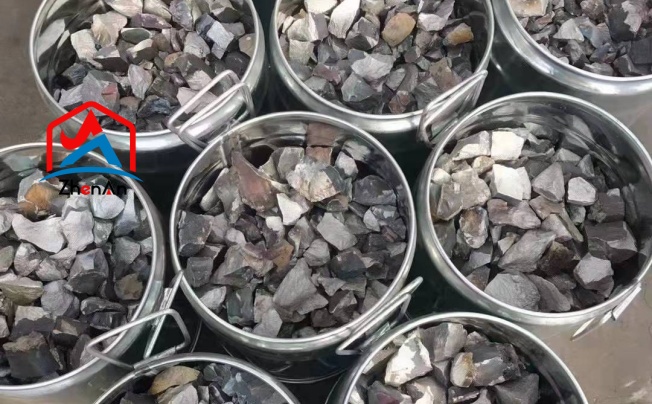
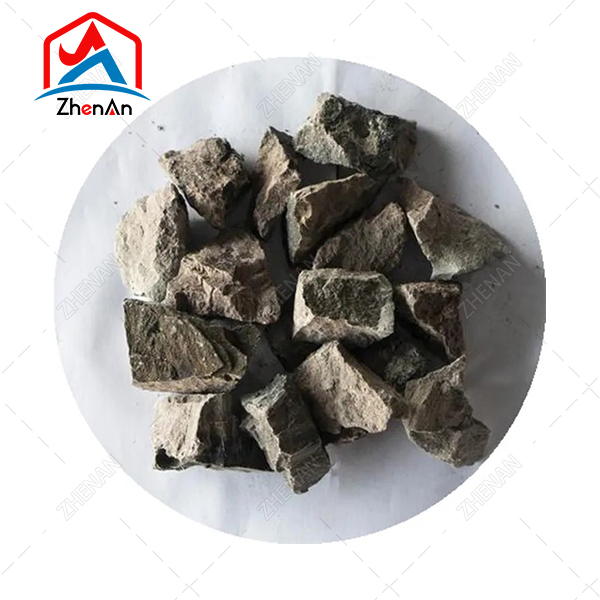
The physical properties of calcium carbide (CaC₂) determine how it is handled, stored, transported, and used in industrial applications. Calcium carbide is a gray to black crystalline solid with high density and a strong reaction with water to generate acetylene gas.
Industrial calcium carbide is commonly supplied in different grades and particle sizes, such as 25–50 mm, 50–80 mm, and 80–120 mm, depending on acetylene generation equipment and application requirements.
For buyers, understanding calcium carbide physical properties helps ensure proper product selection, safe storage, and compatibility with industrial processes.
What Is Calcium Carbide (CaC₂)?
Calcium carbide is an inorganic compound composed of calcium and carbon. It is produced by heating quicklime (CaO) and carbon materials in an electric furnace at high temperatures.
The chemical formula is:
CaC₂
When calcium carbide reacts with water, it produces acetylene gas:
CaC₂ + 2H₂O → C₂H₂ + Ca(OH)₂
This reaction makes calcium carbide an important industrial raw material for acetylene production.
Main Physical Properties of Calcium Carbide
The main physical properties of calcium carbide include:
| Property | Description |
|---|---|
| Chemical Formula | CaC₂ |
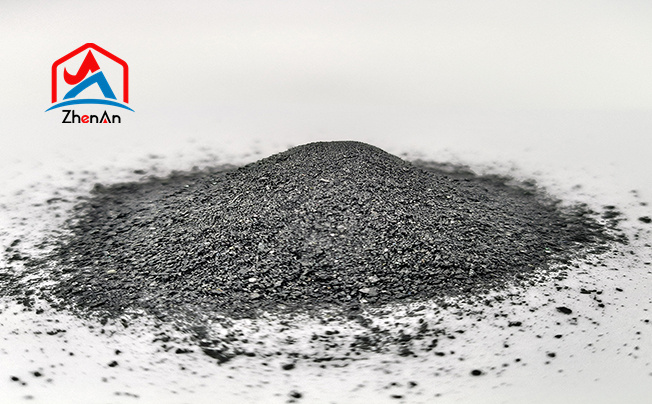
| Appearance | Gray, dark gray, or black solid material |
| Physical Form | Crystalline lumps or granular particles |
| Odor | May have a garlic-like odor due to impurities and reaction products |
| Density | Approximately 2.2–2.3 g/cm³ |
| Melting Point | About 2,300°C |
| Solubility in Water | Reacts with water rather than simply dissolving |
| Electrical Conductivity | Conductive due to ionic structure |
| Main Reaction Property | Generates acetylene gas when contacting water |
Physical properties may vary slightly depending on purity, manufacturing process, and impurity content.
Appearance and Physical Form of Industrial Calcium Carbide
Industrial calcium carbide is usually supplied as solid lumps or granules.
Common appearances include:
- Gray solid blocks
- Dark gray particles
- Irregular crystalline pieces
The product appearance depends on:
- Production process
- Crushing method
- Particle size requirements
- Packaging specifications
Calcium Carbide Particle Size Specifications
Particle size is one of the most important physical specifications for industrial calcium carbide.
| Particle Size | Typical Application |
|---|---|
| 0–25 mm | Small-scale acetylene generators and specific uses |
| 25–50 mm | General industrial acetylene production |
| 50–80 mm | Medium and large gas generation systems |
| 80–120 mm | Industrial applications requiring larger particles |
The suitable particle size depends on equipment design, feeding system, and reaction requirements.
Density and Material Characteristics
Calcium carbide has a relatively high density compared with many industrial raw materials.
Important physical characteristics include:
- Solid crystalline structure
- Hard and brittle material
- Requires crushing and sizing before certain applications
- Stable when kept away from moisture
The density and particle structure affect:
- Storage volume
- Transportation planning
- Reaction surface area
Hardness and Mechanical Properties
Calcium carbide is generally considered a hard but brittle material.
Its mechanical characteristics include:
| Property | Description |
|---|---|
| Hardness | Hard crystalline material |
| Brittleness | Easily crushed into smaller particles |
| Strength | Depends on crystal structure and particle size |
| Crushing Behavior | Can be processed into different industrial sizes |
These properties allow manufacturers to supply calcium carbide in various particle size ranges.
Moisture Sensitivity and Storage Requirements
One of the most important physical characteristics of calcium carbide is its reaction with moisture.
When exposed to water:
CaC₂ + 2H₂O → C₂H₂ + Ca(OH)₂
Therefore, calcium carbide should be:
- Stored in dry conditions
- Protected from humidity
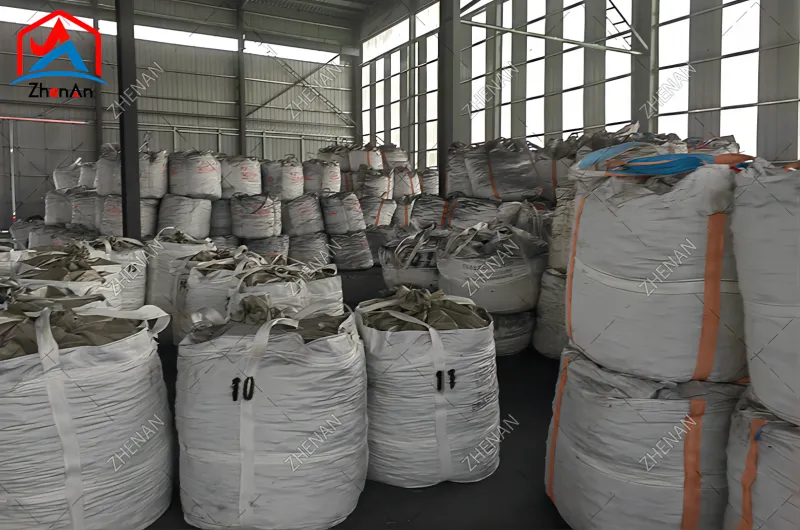
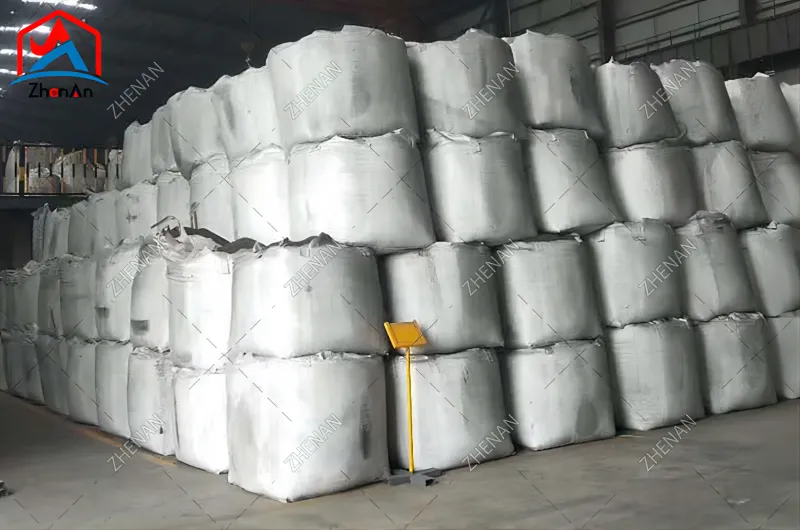
- Packed in moisture-resistant containers
- Handled carefully during transportation
Physical Properties Compared with Other Industrial Materials
| Property | Calcium Carbide | Quicklime | Coke |
|---|---|---|---|
| Main Component | CaC₂ | CaO | Carbon |
| Physical Form | Solid lumps/granules | White powder/lumps | Black carbon material |
| Water Reaction | Generates acetylene gas | Produces heat and calcium hydroxide | Limited reaction |
| Main Industrial Use | Acetylene production | Steelmaking and chemical processes | Metallurgical applications |
Factors Affecting Calcium Carbide Physical Properties
1. Manufacturing Process
Production temperature and furnace conditions influence:
- Crystal structure
- Particle strength
- Impurity levels
2. Raw Material Quality
The quality of:
- Quicklime
- Carbon materials
can affect final product characteristics.
3. Crushing and Screening Process
Industrial calcium carbide is usually crushed and screened to meet specific particle size requirements.
This affects:
- Particle distribution
- Handling performance
- Application compatibility
Buyer Guide: What Physical Properties Should Buyers Check?
Before purchasing calcium carbide, buyers should confirm:
1. Particle Size
Specify required size range:
- 25–50 mm
- 50–80 mm
- 80–120 mm
2. Product Form
Confirm whether the application requires:
- Lump calcium carbide
- Granular calcium carbide
- Customized size distribution
3. Packaging Requirements
Because calcium carbide reacts with moisture, buyers should confirm:
- Moisture protection method
- Packaging type
- Storage conditions
4. Technical Documents
Common documents include:
- Product specification sheet
- Certificate of Analysis (COA)
- Safety Data Sheet (SDS)
ZhenAn Calcium Carbide Supply
ZhenAn supplies industrial materials for global customers with experience in metallurgical materials and industrial raw materials.
Our calcium carbide products are available with:
- Different CaC₂ content grades
- Multiple particle size options
- Industrial packaging solutions
- Customized specifications according to customer requirements
For product specifications, quotation, and technical information, please contact:
Email: market@zaferroalloy.com
WhatsApp: +86 15518824805
Frequently Asked Questions
1. What is the physical appearance of calcium carbide?
Industrial calcium carbide is usually a gray, dark gray, or black solid material supplied as lumps or granular particles.
2. What is the density of calcium carbide?
The density of calcium carbide is approximately 2.2–2.3 g/cm³, depending on purity and production conditions.
3. Does calcium carbide dissolve in water?
No. Calcium carbide reacts with water to generate acetylene gas and calcium hydroxide.
4. What particle sizes are available for industrial calcium carbide?
Common particle sizes include 25–50 mm, 50–80 mm, and 80–120 mm.
5. Why must calcium carbide be stored in dry conditions?
Calcium carbide reacts with moisture and water to produce acetylene gas, so dry storage is required.
6. Is calcium carbide a powder or lump material?
Industrial calcium carbide is commonly supplied as lumps or granules rather than fine powder.
7. What physical properties are important when buying calcium carbide?
Buyers should check particle size, appearance, density, packaging, moisture protection, and grade specifications.
8. Can calcium carbide particle size be customized?
Yes. Calcium carbide can be supplied in different size ranges according to customer equipment and application requirements.