



BY  GENN
2026/10
Case
What Are the Main Applications of Ferrophosphorus?
What Are the Main Applications of Ferrophosphorus?
Introduction
Ferrophosphorus is an iron-phosphorus alloy used in selected metallurgical applications as a source of phosphorus. Its main applications include controlled phosphorus addition in certain steelmaking operations, foundry production, and the manufacture of specialized iron-based materials.
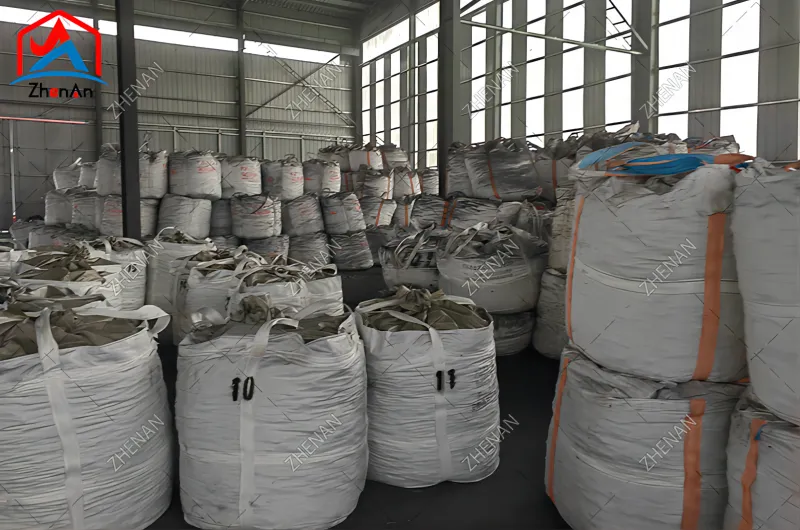
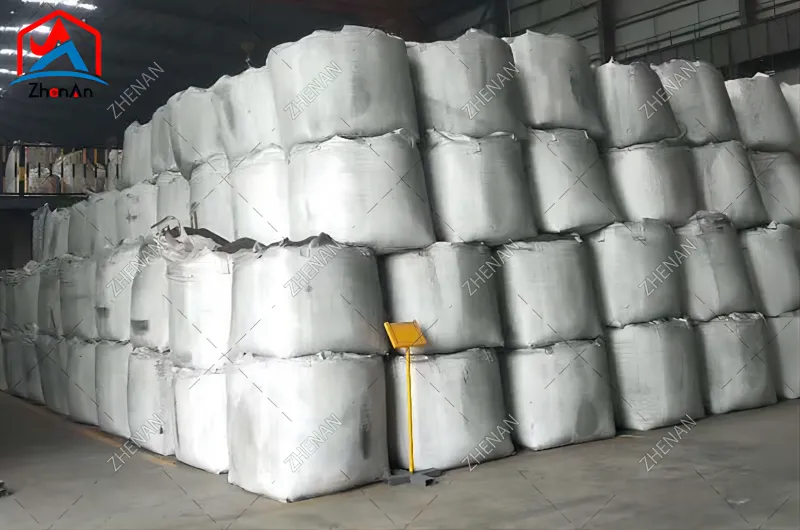
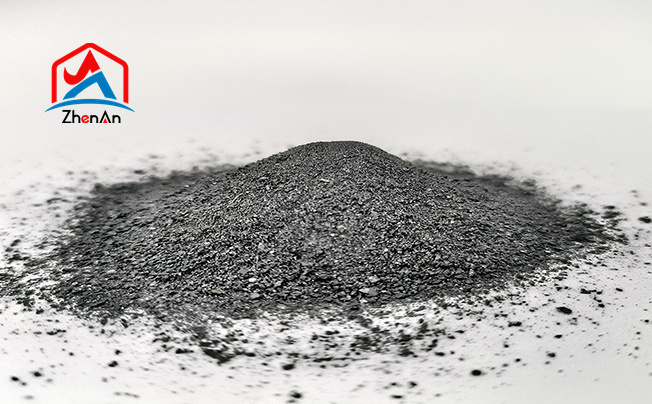
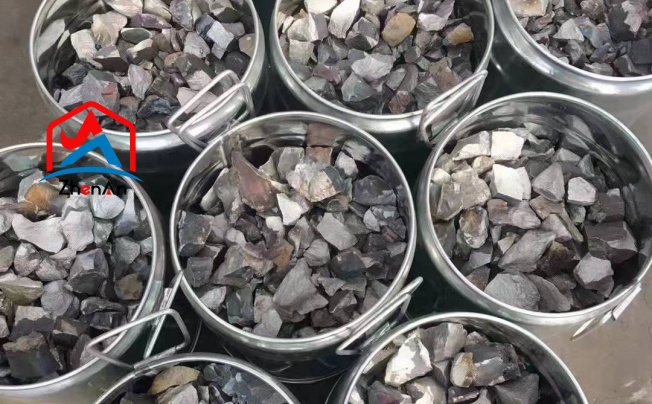
The material is typically supplied in lump, crushed, or granular form, with chemical composition and particle size selected according to the production process.
Ferrophosphorus is not suitable for every steel grade or foundry application. Phosphorus can improve certain material characteristics in controlled amounts, but excessive phosphorus may negatively affect ductility and toughness. Buyers and production engineers must therefore match the ferrophosphorus grade to the target chemical composition and process conditions.
1. What Is Ferrophosphorus?
Ferrophosphorus, also called phosphorus iron alloy, is an iron-based alloy containing phosphorus as its principal alloying element.
It is used as a metallurgical addition when a production process requires phosphorus to be introduced into an iron-based melt.
Main Components
| Component | Function |
|---|---|
| Phosphorus (P) | Main alloying element introduced into the melt |
| Iron (Fe) | Base metallic component |
| Silicon (Si) | Possible residual element |
| Carbon (C) | Possible residual element |
| Sulfur (S) | Impurity requiring control |
The exact chemical composition varies by grade, production method, and supplier. Buyers should request a current chemical analysis report before confirming an order.
2. Main Applications of Ferrophosphorus
Ferrophosphorus has several specialized applications in metallurgy. Its use depends on the target phosphorus level, final product requirements, and the characteristics of the production process.
2.1 Steelmaking and Controlled Phosphorus Addition
One application of ferrophosphorus is controlled phosphorus addition in selected steelmaking processes.
Phosphorus can influence the mechanical properties of steel. In certain compositions, it may contribute to increased strength and hardness. However, excessive phosphorus can reduce ductility and toughness.
Ferrophosphorus may therefore be considered when:
- A steel specification allows or requires a defined phosphorus level.
- The production team needs a phosphorus-bearing alloy addition.
- The initial melt composition and target composition have been calculated.
- The process can control phosphorus recovery and distribution.
Buyer consideration: Ferrophosphorus should only be used when the target steel grade permits the intended phosphorus content. It is not a general-purpose additive for all steel grades.
2.2 Foundry and Cast Iron Production
Ferrophosphorus can be used in selected foundry processes where phosphorus is part of the required cast iron composition.
Phosphorus can influence the fluidity and solidification characteristics of cast iron. In certain applications, controlled phosphorus content may be useful for producing castings with specific requirements.
Potential application areas include:
- Selected cast iron components.
- Specialized foundry products.
- Castings requiring a controlled phosphorus composition.
- Iron-based materials with defined chemical specifications.
The appropriate phosphorus level depends on the cast iron grade, component design, and applicable product standard.
2.3 Production of Specialized Iron-Based Alloys
Ferrophosphorus can serve as a phosphorus-bearing raw material in the manufacture of certain specialized iron-based alloys.
It provides both iron and phosphorus, making it relevant where these elements are compatible with the target composition.
The final alloy composition must be controlled through accurate raw material calculations and chemical analysis.
2.4 Metallurgical Raw Material Blending
In some production operations, ferrophosphorus may be included in a planned raw material blend to achieve a specified chemical composition.
The material can be selected according to:
- Required phosphorus input.
- Iron contribution.
- Impurity limits.
- Particle size.
- Charging and melting conditions.
Blending should be based on the full chemical analysis of the raw materials rather than nominal phosphorus content alone.
3. How Does Phosphorus Affect Steel and Cast Iron?
Understanding the effect of phosphorus is essential before using ferrophosphorus.
3.1 Effects on Steel
Phosphorus can increase strength and hardness in some steel compositions. However, it may also contribute to reduced ductility and toughness, especially under certain temperature and processing conditions.
The effect depends on:
- Steel grade.
- Phosphorus concentration.
- Other alloying elements.
- Heat treatment.
- Rolling and processing conditions.
For many structural and low-temperature applications, phosphorus is controlled as an impurity rather than intentionally added.
3.2 Effects on Cast Iron
In cast iron, phosphorus can influence melt fluidity and solidification behavior. It may be useful in selected casting compositions, but excessive phosphorus can negatively affect the mechanical properties of the finished casting.
Foundries should establish the acceptable phosphorus range based on the casting specification and production requirements.
4. Ferrophosphorus Specifications for Different Applications
The appropriate ferrophosphorus specification depends on its intended use.
| Application | Key specification considerations |
|---|---|
| Steelmaking | Phosphorus content, impurity limits, particle size, and recovery |
| Cast iron production | Phosphorus content, iron content, and consistency |
| Specialized alloy manufacturing | Full chemical composition and target element contribution |
| Raw material blending | P, Fe, Si, C, S, and particle size |
| Industrial procurement | COA, packaging, quantity, and delivery requirements |
Important Quality Parameters
Phosphorus content: Determines the theoretical phosphorus contribution to the melt.
Iron content: Relevant to the overall material balance.
Silicon and carbon: Must meet the limits required by the target process.
Sulfur: Should be controlled according to the final product specification.
Particle size: Must be compatible with the charging, feeding, and melting method.
Chemical consistency: Consistent composition supports more reliable raw material calculations.
5. Ferrophosphorus vs Other Metallurgical Additives
Ferrophosphorus is designed for applications where phosphorus input is required. Other ferroalloys serve different alloying or treatment functions.
| Material | Main element supplied | Common metallurgical purpose |
|---|---|---|
| Ferrophosphorus | Phosphorus and iron | Controlled phosphorus addition |
| Ferrosilicon | Silicon | Deoxidation and alloying |
| Ferrovanadium | Vanadium | Alloying for selected steel grades |
| Ferromanganese | Manganese | Alloying and deoxidation |
| Ferrochrome | Chromium | Chromium alloying in steel production |
The materials are not interchangeable. Selection should be based on the target chemical composition and metallurgical function.
6. How to Calculate Ferrophosphorus Addition
The required quantity depends on the target phosphorus increase, melt weight, phosphorus content in the material, and actual recovery.
A simplified calculation is:
[
\text{Addition (kg)} =
\frac{\text{Melt weight (kg)} \times \text{Required P increase (%)}}{\text{P content in alloy (%)} \times \text{Recovery rate}}
]
In this formula, percentages must be entered consistently as decimal fractions.
Example
Assume:
- Melt weight: 10,000 kg
- Required phosphorus increase: 0.02 percentage points
- Ferrophosphorus phosphorus content: 20%
- Assumed phosphorus recovery: 80%
Then:
[
\frac{10,000 \times 0.0002}{0.20 \times 0.80}
= 12.5\text{ kg}
]
The theoretical addition in this example is 12.5 kg.
Note: This is an illustrative calculation, not a universal operating recommendation. Actual recovery must be determined from the production process, material analysis, slag conditions, and plant operating data. The initial phosphorus content of the melt must also be considered.
7. How to Choose Ferrophosphorus for Industrial Applications
Selecting the right material requires matching product specifications to the production process.
Step 1: Define the Application
Identify whether the material will be used for steelmaking, foundry production, specialized alloy manufacturing, or raw material blending.
Step 2: Confirm the Target Phosphorus Level
Determine the required final phosphorus content and the permissible range in the final product.
Step 3: Check the Full Chemical Composition
Do not evaluate ferrophosphorus based only on phosphorus content. Confirm iron, silicon, carbon, sulfur, and other relevant elements.
Step 4: Select Particle Size
Choose a size compatible with the furnace charging method and material handling system.
Step 5: Confirm Quality Documents
Request a Certificate of Analysis (COA) and confirm the agreed chemical composition and inspection requirements.
8. What Should Buyers Confirm Before Ordering Ferrophosphorus?
Industrial buyers should prepare the following information:
| Purchasing factor | Details to provide |
|---|---|
| Product name | Ferrophosphorus / Phosphorus Iron Alloy |
| Application | Steelmaking, foundry, or alloy production |
| Phosphorus content | Required P percentage |
| Iron content | Minimum or balance requirement |
| Impurity limits | Si, C, S, and other relevant elements |
| Particle size | Required lump or granular size |
| Quantity | Trial order and regular demand |
| Packaging | Bag type and net weight |
| Quality documents | COA and inspection requirements |
| Destination | Country and destination port |
| Delivery terms | Preferred Incoterms and delivery schedule |
Clear purchasing requirements help suppliers assess the correct grade and reduce the risk of specification mismatches.
9. ZhenAn Ferrophosphorus Supply Information
ZhenAn supplies industrial materials for global customers with experience in metallurgical materials and industrial raw materials.
For ferrophosphorus inquiries, buyers can provide the required phosphorus content, iron content, impurity limits, particle size, quantity, and destination port. Product specifications, packaging, and customized requirements can be evaluated according to the intended application.
10. Frequently Asked Questions
1. What are the main applications of ferrophosphorus?
The main applications include controlled phosphorus addition in selected steelmaking operations, foundry and cast iron production, specialized iron-based alloy manufacturing, and metallurgical raw material blending.
2. Is ferrophosphorus used in steelmaking?
Yes. It can be used as a phosphorus-bearing alloy addition when the target steel composition allows or requires a controlled phosphorus level.
3. Why is ferrophosphorus used in foundries?
In selected foundry applications, phosphorus can influence cast iron fluidity and solidification behavior. Its use depends on the required casting composition and final mechanical properties.
4. Does phosphorus improve steel strength?
Phosphorus can increase strength and hardness in certain steel compositions. However, excessive phosphorus may reduce ductility and toughness, so its concentration must be controlled.
5. What is the difference between ferrophosphorus and ferrosilicon?
Ferrophosphorus supplies phosphorus and iron, while ferrosilicon supplies silicon. They serve different metallurgical functions and cannot be substituted for each other without changing the target composition.
6. What ferrophosphorus particle sizes are available?
Ferrophosphorus may be supplied in lump, crushed, or granular forms. The actual available size ranges depend on the supplier and production requirements.
7. How is ferrophosphorus addition calculated?
The addition is calculated from the melt weight, required phosphorus increase, phosphorus content of the alloy, and expected recovery rate. Actual operating data should be used to determine recovery.
8. What information is needed to purchase ferrophosphorus?
Buyers should provide the target phosphorus content, impurity limits, particle size, quantity, packaging, destination port, and required quality documents.
11. Contact ZhenAn for Ferrophosphorus Inquiries
For product specifications, quotation, and technical information, please contact:
Email: market@zaferroalloy.com
WhatsApp: +86 15518824805