



BY  GENN
GENN
2026/09
Case
What are the Common Grades of Calcium Carbide?
What Are the Common Grades of Calcium Carbide?
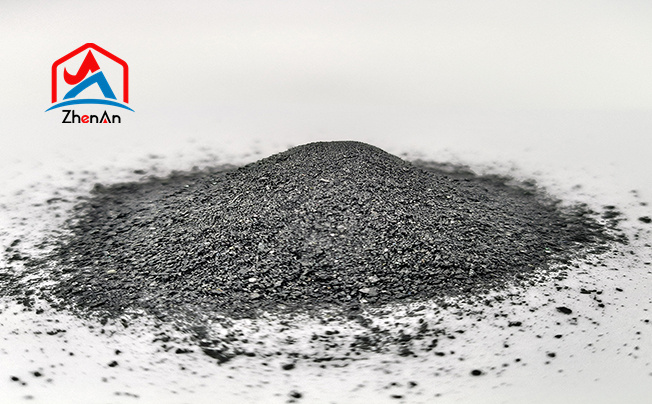
Calcium carbide (CaC₂) is an important industrial material widely used for acetylene gas production, steelmaking applications, chemical synthesis, and other industrial processes.
For industrial buyers, calcium carbide is mainly classified by calcium carbide content, gas yield, particle size, and application requirements. Selecting the correct grade helps ensure suitable performance for different production conditions.
How Are Calcium Carbide Grades Classified?
Calcium carbide grades are generally classified according to the following specifications:
Calcium Carbide Content (CaC₂ %)
The CaC₂ content indicates the concentration of calcium carbide in the product. Higher CaC₂ content generally provides higher acetylene generation capacity.
Common grades include:
- Calcium Carbide 50%
- Calcium Carbide 70%
- Calcium Carbide 80%
- Calcium Carbide 85%
Gas Yield
Gas yield refers to the amount of acetylene gas generated from one kilogram of calcium carbide. It is an important specification for customers using calcium carbide for acetylene production.
Particle Size
Particle size affects reaction speed and feeding performance. Different industrial equipment requires different carbide lump sizes.
Common Calcium Carbide Grades
Calcium Carbide 50% Grade
Calcium carbide 50% grade is a lower-content industrial grade mainly used for applications where extremely high acetylene output is not required.
Typical characteristics:
- CaC₂ content: approximately 50%
- Suitable for general industrial applications
- Used in cost-sensitive production processes
Common applications:
- General acetylene generation
- Chemical processing
- Industrial applications requiring calcium carbide raw material
Calcium Carbide 70% Grade
Calcium carbide 70% is a commonly used industrial grade that provides a balance between carbide content and cost.
Typical characteristics:
- CaC₂ content: around 70%
- Moderate acetylene gas yield
- Suitable for general industrial use
Applications:
- Acetylene production
- Metal cutting and welding gas supply
- Chemical manufacturing
Calcium Carbide 80% Grade
Calcium carbide 80% is one of the widely used grades for industrial acetylene production.
Typical characteristics:
- CaC₂ content: about 80%
- Higher gas generation capacity compared with lower grades
- Suitable for industrial-scale applications
Applications:
- Acetylene production
- Steelmaking-related processes
- Chemical industries
Calcium Carbide 85% Grade
Calcium carbide 85% is a higher-grade product selected by customers requiring higher carbide content and gas yield.
Typical characteristics:
- CaC₂ content: approximately 85%
- Higher acetylene generation capability
- Suitable for demanding industrial applications
Applications:
- Industrial acetylene production
- Chemical synthesis
- Specialized manufacturing processes
Calcium Carbide Grades by Particle Size
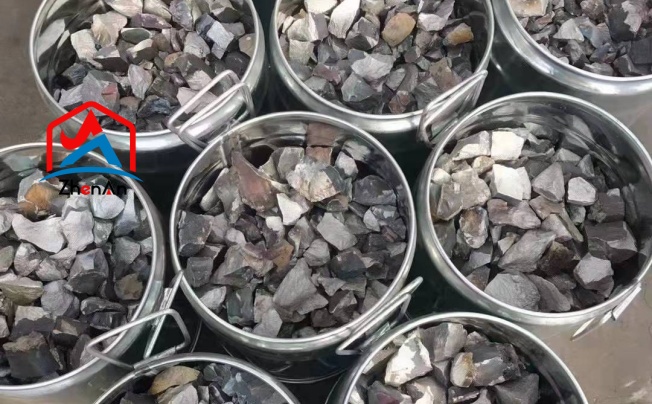
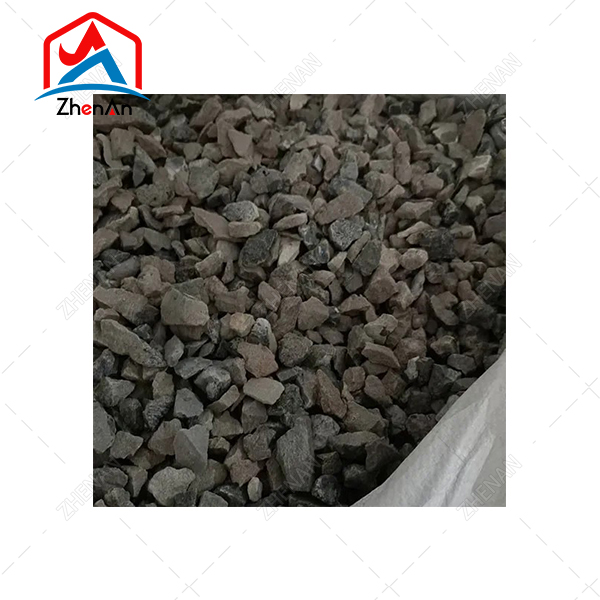
Besides CaC₂ content, calcium carbide is also supplied in different particle sizes.
| Particle Size | Common Applications |
|---|---|
| 0–2 mm | Fine processing applications |
| 2–5 mm | Specific acetylene generation equipment |
| 5–25 mm | Industrial processing |
| 25–50 mm | General industrial use |
| 50–80 mm | Large acetylene generators |
| 80–120 mm | Specific industrial applications |
The suitable particle size depends on equipment design, feeding system, and reaction requirements.
How to Choose the Right Calcium Carbide Grade?
Industrial buyers usually consider the following factors:
1. CaC₂ Content Requirement
The required calcium carbide grade depends on production requirements and desired acetylene output.
2. Gas Yield Requirement
Customers should select grades according to required acetylene generation efficiency and operating conditions.
3. Particle Size Requirement
Different equipment designs require different lump sizes to maintain stable feeding and reaction conditions.
4. Packaging and Storage
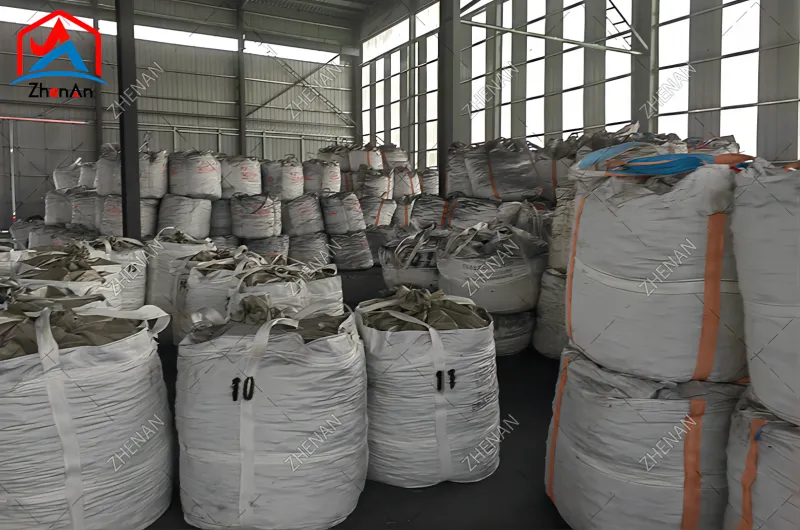
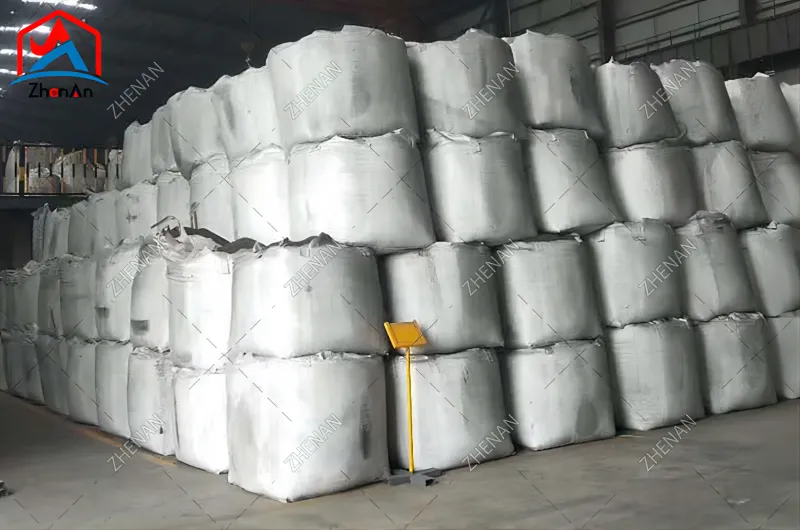
Calcium carbide reacts with moisture, so it should be stored in dry and sealed conditions during transportation and storage.
Applications of Calcium Carbide
Calcium carbide is mainly used in:
- Acetylene gas production
- Steelmaking and metallurgical applications
- Chemical manufacturing
- Industrial processing industries
Calcium Carbide Supply from ZhenAn
ZhenAn supplies industrial calcium carbide grades for customers requiring different CaC₂ contents and particle sizes.
Available specifications include:
- CaC₂ content: 50%, 70%, 80%, 85%
- Particle sizes: 25–50 mm, 50–80 mm, 80–120 mm
- Packaging options according to customer requirements
With experience in metallurgical materials and industrial raw materials, ZhenAn provides calcium carbide solutions for customers in different industries.
For calcium carbide specifications, quotation, and technical information:
Email: market@zaferroalloy.com
WhatsApp: +86 15518824805
Frequently Asked Questions About Calcium Carbide Grades
1. What Are the Common Grades of Calcium Carbide?
The common commercial grades include calcium carbide 50%, 70%, 80%, and 85%. They are classified according to CaC₂ content, gas yield, and industrial requirements.
2. What Is the Difference Between Calcium Carbide 80% and 85%?
The main difference is CaC₂ content. Calcium carbide 85% generally contains more calcium carbide and can provide higher acetylene generation capacity compared with 80% grade.
3. Which Calcium Carbide Grade Is Used for Acetylene Production?
CaC₂ 70%, 80%, and 85% grades are commonly used for acetylene production. The suitable grade depends on equipment and production requirements.
4. What Particle Sizes Are Available for Calcium Carbide?
Common particle sizes include 25–50 mm, 50–80 mm, and 80–120 mm. Other sizes may be supplied according to customer requirements.
5. How Should Calcium Carbide Be Stored?
Calcium carbide should be stored in dry and sealed conditions because it reacts with moisture to produce acetylene gas.
6. How Can I Select the Right Calcium Carbide Grade?
Selection depends on CaC₂ content, gas yield requirements, particle size, application conditions, and production equipment.